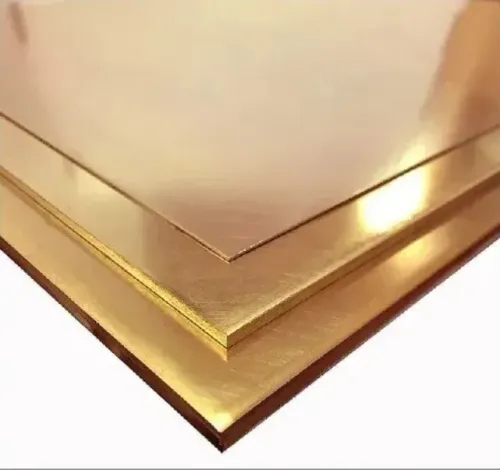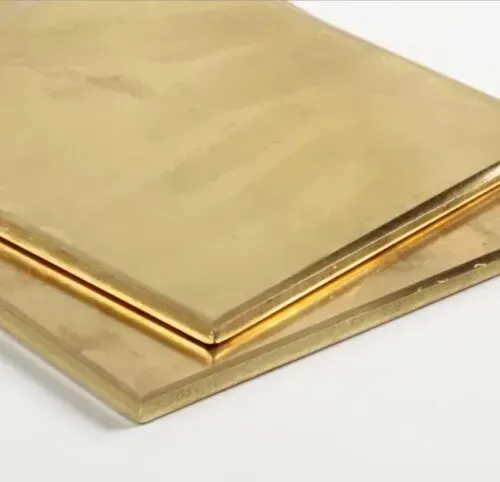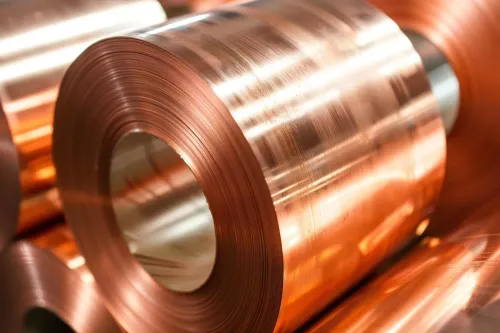
The right copper strip depends on the workshop’s finished part, current path, forming process and working environment—not simply on width or copper colour. By the end, you will be able to identify suitable users, separate current-carrying strip from protective earthing material, calculate the basic section size and write a supplier specification that can be compared accurately.
Key takeaways
- Use rigid copper strips for busbars, links, terminals and flat bolted connections.
- Match strip width, thickness and hole placement to current, clearance and assembly needs.
- Protect copper surfaces from burrs, contamination, loose joints and galvanic corrosion.
- Compare suppliers using alloy, temper, dimensions, tolerances, testing and delivery records.
Which Mumbai electrical workshops have a clear use for copper strips?
Panel builders use rigid copper strips for busbars, links, terminals and internal connections where flat bolted contact and predictable routing matter. Switchgear assemblers need controlled width, thickness, hole placement and edge quality to maintain clearances, supports and repeatable assembly.
Transformer and motor repair shops use strip for replacement links, winding connections and formed electrical parts. Match the bend radius, insulation system and temper before forming it; hard strip needs more force and can crack at a sharp bend.
Cable and busbar fabricators benefit from repeatable flat conductors that can be cut, drilled, punched or bent. Electrical contractors use strip for site-fabricated connections and equipment interconnections when the drawing specifies rigid flat conductors rather than cable or braid. Maintenance workshops gain useful flexibility from cut lengths for repairs, modifications and replacement parts.
Equipment manufacturers need tighter dimensional control, batch traceability and repeatable surface condition than a one-off repair requires. These are the main users of copper strips for electrical work and copper strips for electrical workshops in Mumbai.
| Workshop | Useful form or job | Control that matters |
|---|---|---|
| Fabrication and machining | Punched terminals, brackets, connector parts and low-volume busbars | Hole accuracy and clean edges |
| Welding and HVAC | Electrode components, formed conductors and connection pieces | Distortion, joint heating, bend radius and insulation |
| Railway, marine and industrial equipment | Repair conductors, vibration-resistant links and machinery connections | Clearances, corrosion protection, secure joints and maintenance access |
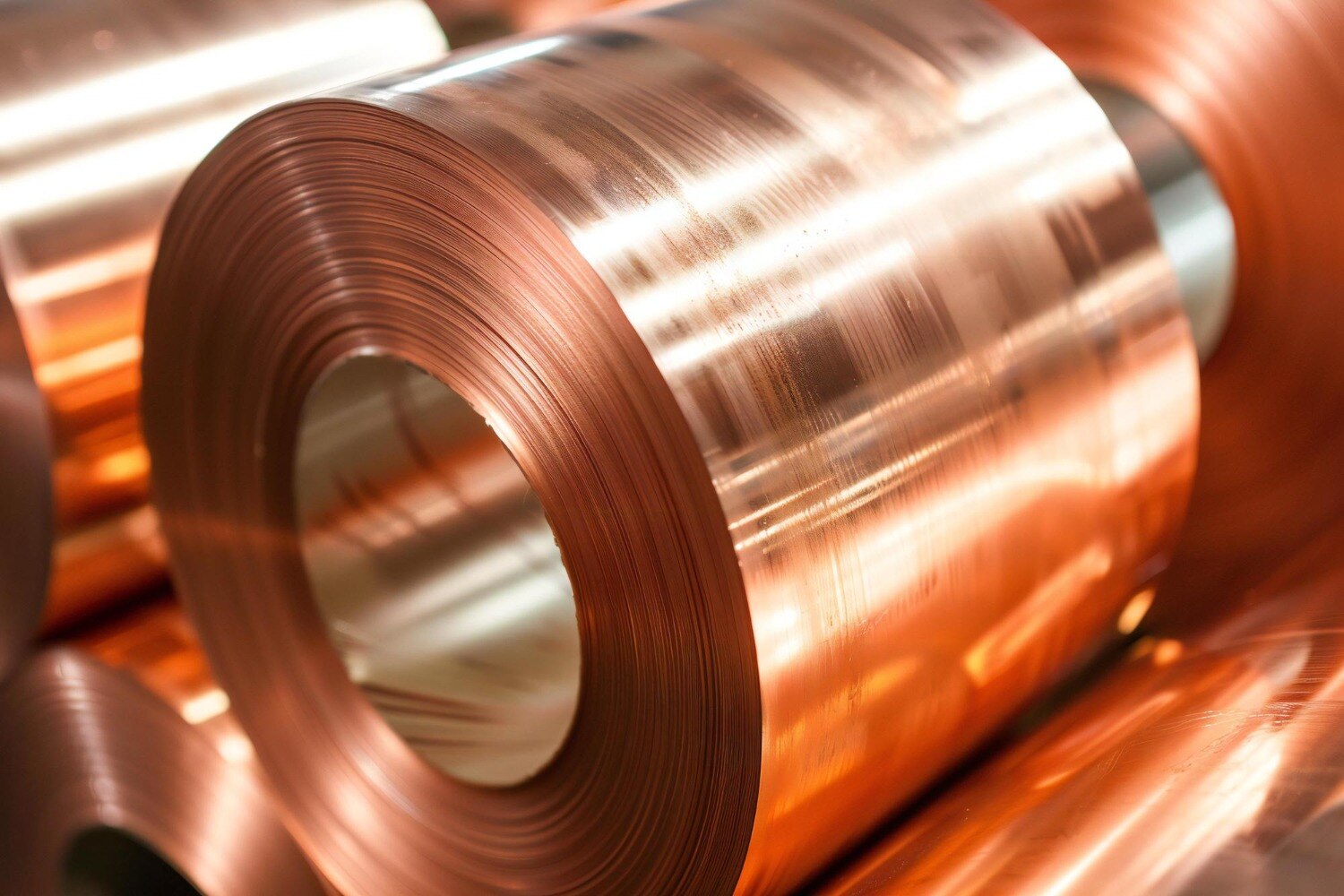
Choose slit coil for repetitive terminals, clips and punched parts only if you have decoiling and straightening equipment. Choose cut-to-length strip for prototypes, busbar work and maintenance. Start with the finished connection, current, movement and joining method.
Which engineering workshops benefit from copper strip, and in what form?
Fabrication and machining workshops benefit from flat copper strip for punched terminals, brackets, connector parts and low-volume busbars. Welding workshops use it for electrode components, connection links and heat-transfer parts only when the design controls distortion and joint heating.
| Workshop | Useful form | Design attention |
|---|---|---|
| Fabrication and machining | Flat, cut-to-length strip | Specify hole position, edge quality and bendability. |
| Welding | Flat or formed strip | Control heat input, distortion and joint heating. |
| HVAC | Formed conductors and connection pieces | Match bend radius, insulation and equipment clearances. |
| Railway | Traceable cut lengths or repeat components | Secure conductors against vibration; preserve clearances and maintenance access. |
| Marine | Protected flat or formed conductors | Seal exposed joints and isolate dissimilar-metal interfaces in salt-laden air. |
| Industrial equipment | Strip for motors, drives, control panels, heaters and machinery | Check routing, support, temperature rise and service access. |
Slit coil suits repetitive terminals, clips and punched components, but only where you have decoiling, straightening and safe edge-handling equipment. Cut-to-length strip is more practical for prototypes, busbar fabrication and maintenance; a formed part is better when repeated bends, insulation clearance or assembly speed controls the job.
For copper strips for engineering workshops in Mumbai, choose production coil, manageable flat lengths or a formed part from the manufacturing process—not from width alone. Buyers comparing copper strips for manufacturers should also protect exposed edges and joints from humid, salt-laden air, chemical contamination and vibration.
How do you decide whether copper strip is the right conductor?
Separate the current path from protective bonding before choosing copper strips for electrical work. A busbar or connection strip carries operating current; an earthing strip bonds exposed metalwork to a protective conductor or grounding system. They are separate design choices, even when both are flat copper.
Calculate cross-sectional area as width multiplied by thickness in consistent units: a 40 mm × 5 mm strip has 200 mm². Do not convert that figure directly into safe ampacity. Check:
- Continuous current and permissible temperature rise
- Ambient temperature and exposed surface area
- Strip orientation and enclosure ventilation
- Joint resistance, installation length and nearby heat sources
| Option | Best fit | Main caution |
|---|---|---|
| Copper wire | Insulated or routed conductors | Needs suitable termination and routing |
| Flexible braid | Movement and vibration | Not a rigid high-current busbar |
| Copper bus bar | Rigid, high-current distribution | Requires supports and clearances |
| Copper sheet | Formed plates | Shape and thickness affect stiffness |
| Aluminium strip | Lower weight or cost | Use engineered joints and compatible hardware |
For manufacturers comparing copper strips for manufacturers, choose annealed material for forming. Half-hard, three-quarter-hard and hard strip provide greater strength and spring-back but need more forming force and bend-radius control. C11000/ETP suits common electrical work; C10200 suits applications needing very low oxygen content; C12200/DHP suits expected brazing or welding.
Compare the strip with its finished connection, not with nominal area alone.
What workshop practices protect the strip and its electrical joint?
A reliable joint starts with edge quality, controlled forming and a clean contact face. These practices matter for copper strips for electrical workshops in Mumbai and for copper strips for engineering workshops in Mumbai.
1. Cut and drill with tooling that leaves clean edges. Deburr every slit, punched hole and cut end; burrs can damage insulation, reduce creepage distance, create stress points and prevent a flat bolted joint. Keep hole spacing and edge clearance on the drawing.
2. Support long runs often enough to prevent sagging. Specify bend direction, bend radius and forming sequence before production. Hard strip needs greater force and can crack at a sharp or transverse bend; annealed strip forms more easily but can deform beneath clamps.
3. Prepare contact faces by removing oil, oxide, lacquer and fingerprints without gouging the copper. Identify bright mill finish, tin plating and silver plating separately: plating can improve contact reliability and limit oxidation, but changes cost, bending and soldering behaviour.
4. Do not join copper to aluminium casually. Use a bimetallic connector, engineered transition joint, suitable joint compound or specified plating to control oxide formation, galvanic action, thermal expansion and loosening.
5. In Mumbai, protect exposed joints and cut edges from humid air, coastal salt, chemical fumes and dust. Use sealed or ventilated enclosures with drainage and cleaning access, and keep strip away from corrosive chemicals, treated timber and contaminated packaging.
What should you specify when comparing a copper strip supplier in Mumbai?
Put the finished use and manufacturing process in the enquiry before asking for a price. A copper strip for a punched terminal needs a different specification from one used as a supplied busbar link.
- State copper grade, temper, thickness, width, length or coil mass, and dimensional tolerances.
- Specify edge condition, maximum burr height, flatness or straightness, and surface finish.
- Describe the required bend geometry: bend angle, inside radius, bend direction and forming sequence.
- Say whether the strip will be cut, punched, drilled, bent, brazed, welded or used as supplied.
Copper strips for manufacturers need controlled thickness and width tolerances because variation affects terminals, laminated joints, punched parts and busbar supports. Ask a copper strip supplier in Mumbai for the acceptable slit-edge condition in writing.
| Temper | Forming effort | Spring-back and strength | Best fit |
|---|---|---|---|
| Annealed | Lowest | Lowest spring-back; easiest to form | Tight bends and formed links |
| Half-hard | Moderate | Moderate strength and spring-back | General fabricated parts |
| Hard | Highest | Highest strength and spring-back | Rigid supports and straight conductors |
For bolted conductors, request measured conductivity or actual resistivity; “99.9% pure copper” is not a performance result. ASTM B187/B187M is a useful reference for copper bus bar, rod and shapes for electrical applications.
Require a certificate of conformity identifying the heat or batch and reporting chemical composition, dimensions, conductivity or resistivity, and relevant mechanical properties. R Mahaveerchandra & Co. is useful to compare when its quotation separates these variables and offers cut lengths or coil supply with traceability for replacement parts.
Related products
 | Copper R. Mahaveerchandra & Co. R. Mahaveerchandra & Co. is a trusted supplier and stockist of premium quality Copper Strips manufactured using high-grade... View product → |
 | Copper R. Mahaveerchandra & Co. R. Mahaveerchandra & Co. offers premium quality Copper Sheets manufactured using high-grade copper material to ensure... View product → |
Frequently asked questions
Which Mumbai electrical workshops use copper strips?
Panel builders, switchgear assemblers, control-panel manufacturers and electrical fabricators use copper strips for busbars, links, terminals and internal connections.
Which engineering workshops benefit from copper strip?
Engineering workshops that build electrical enclosures, machinery, power-distribution assemblies or fabricated conductive parts can use copper strip in flat bars, cut lengths, punched links and formed connections.
How do you decide whether copper strip is the right conductor?
Compare required current capacity, voltage clearance, available space, joint design, heat dissipation, flexibility and fabrication needs against alternatives such as cable, aluminium strip or copper braid.
What should you specify when comparing a copper strip supplier in Mumbai?
Specify copper grade, temper, width, thickness, length, dimensional tolerances, surface condition, edge quality, hole details, test documents, packing and delivery requirements.
Keywords