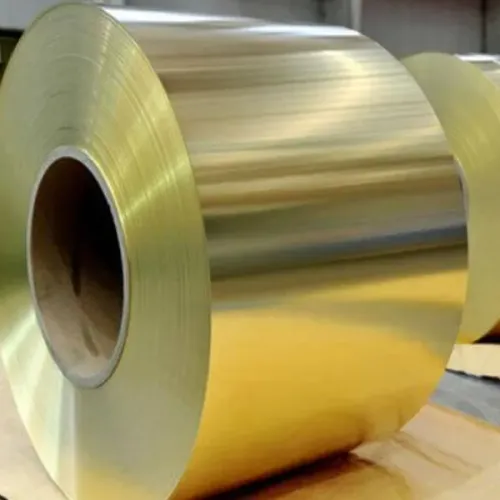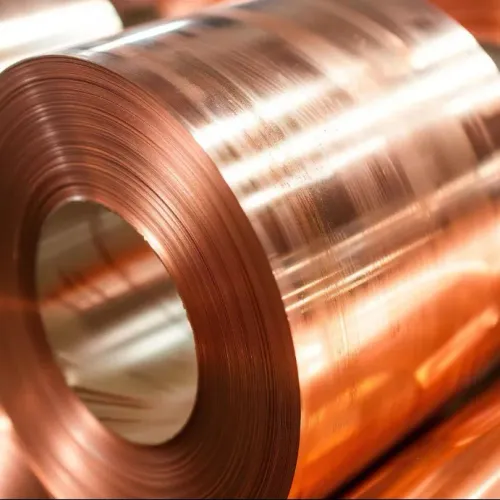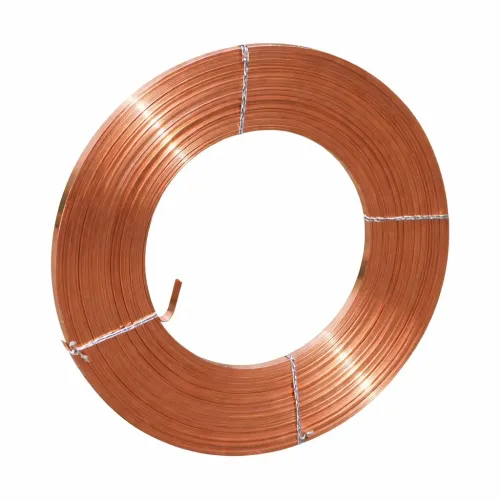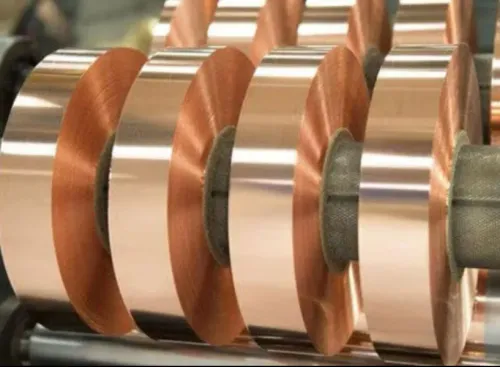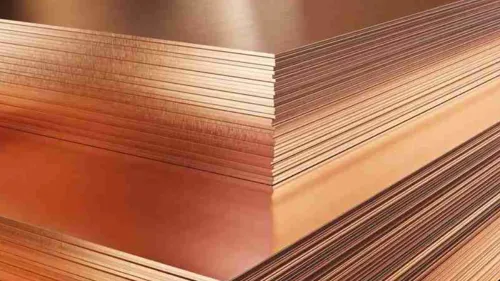
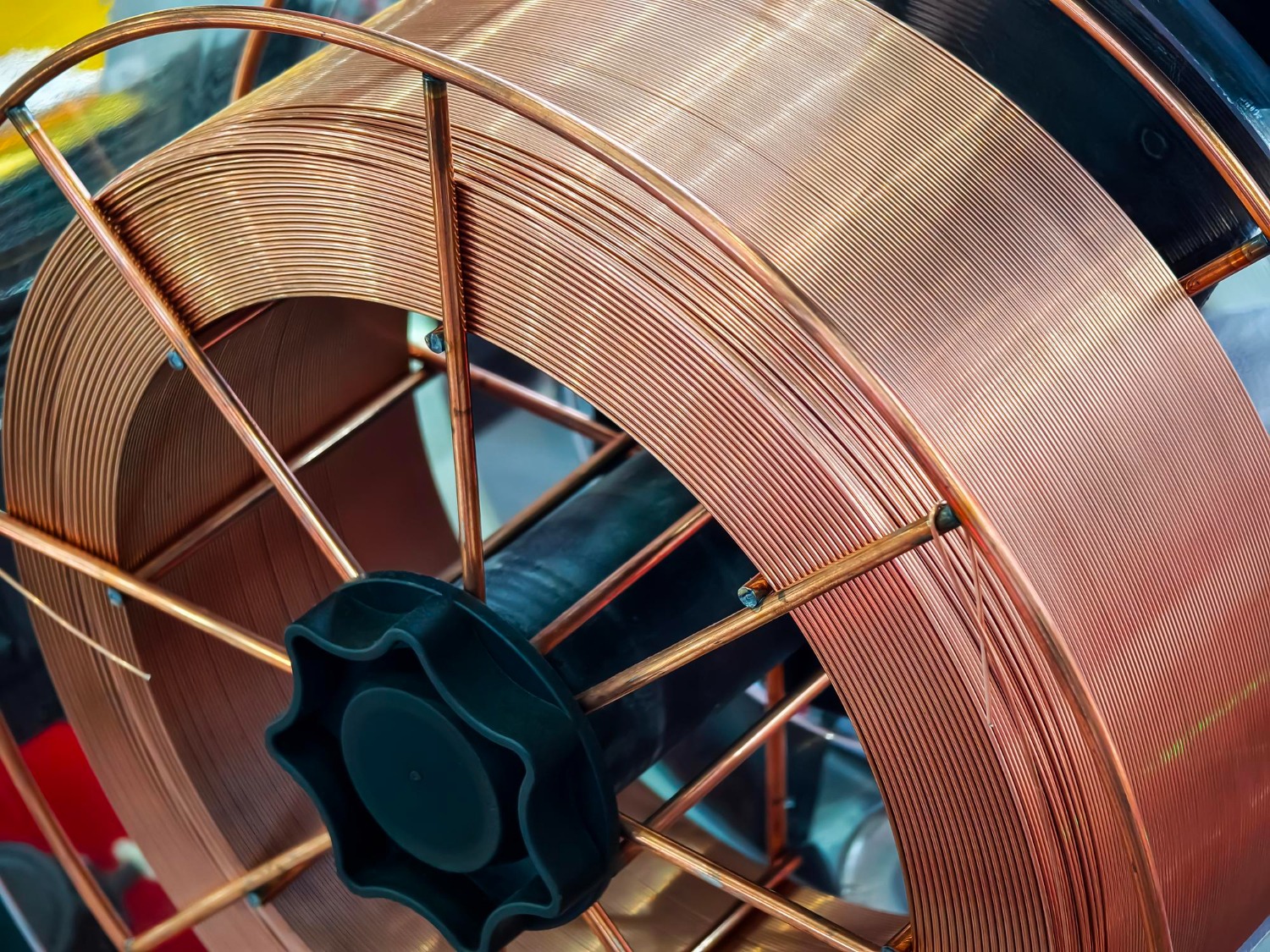
Brass Coil can be particularly useful when a manufacturing process requires continuous or repeated feeding of material. Compared with individually handling sheets or blanks, coil material may support efficient production for suitable stamping, forming, cutting, and component-manufacturing operations.
However, the benefits depend heavily on ordering the right specification.
Width is one of the most important considerations. If the coil is substantially wider than the finished component requires, additional slitting or trimming can increase scrap and processing. A suitable coil width can therefore influence material utilisation as well as productivity.
Thickness consistency matters for similar reasons. Components produced through dies, presses, or automated processes may depend on predictable material dimensions. Variations can affect forming behaviour and finished-part consistency.
When evaluating Brass Coil, manufacturers should examine:
- Brass grade required for the component
- Coil thickness and tolerance
- Coil width
- Temper or hardness
- Surface condition
- Coil weight or handling limitations
- Production equipment compatibility
- Required quantity and reorder schedule
Coil handling should not be overlooked. Production facilities need suitable equipment and storage practices for the coil dimensions and weight being purchased. Poor handling can cause edge damage, deformation, or safety concerns.
For manufacturers operating in Mumbai and elsewhere in Maharashtra, another consideration is procurement continuity. If brass coil forms part of regular production, changing material characteristics between orders can create adjustments on the shop floor. Maintaining a standard purchasing specification helps reduce this problem.
Cost comparisons should also consider yield. The lowest quoted material price does not necessarily produce the lowest component cost. Scrap percentage, processing time, machine setup, material utilisation, and rejected components all contribute to the effective cost of production.
R Mahaveerchandra & Co. serves industrial customers requiring Brass Coil and related non-ferrous products in Mumbai. When requesting a quotation, buyers can improve accuracy by sharing the grade, thickness, width, quantity, and intended manufacturing process.
It is also worth reviewing whether coil is genuinely the most efficient format for the application. Lower-volume or highly varied production may sometimes favour sheets or pre-sized material, while repetitive manufacturing may gain more from coil-based processing.
The purchasing decision should therefore be connected directly to the production line. When coil dimensions, alloy characteristics, machinery, component geometry, and expected volumes are evaluated together, manufacturers are better positioned to control waste and maintain repeatable output.
Keywords