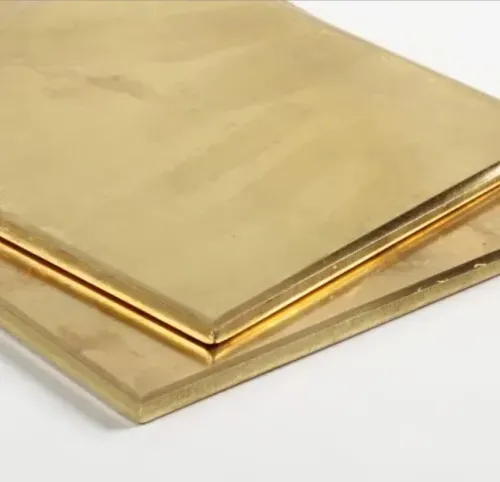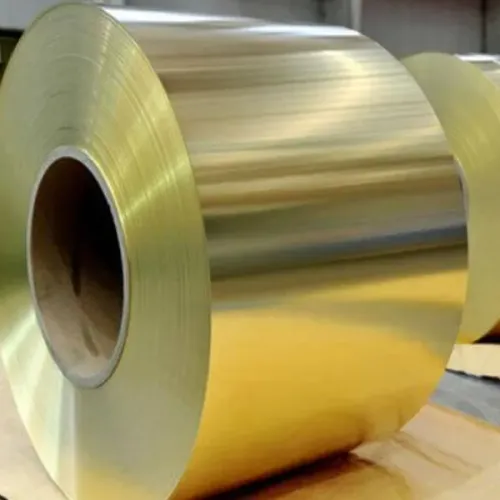
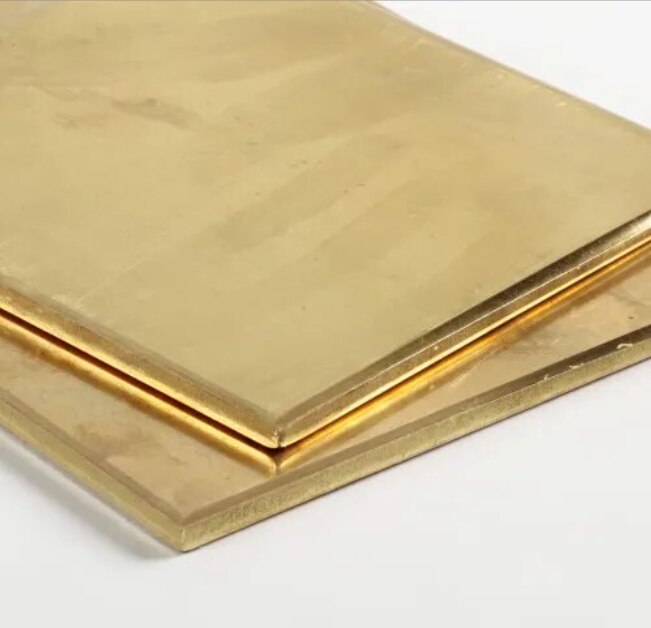
A marine fabrication drawing cannot be approved from the word “brass” or a nominal sheet size alone. You will need to match the alloy, temper, dimensions, certificates and corrosion controls to the component’s seawater exposure, loading and fabrication method.
Key takeaways
- Use brass for fittings, trim, electrical hardware and selected wear parts.
- Select the alloy before comparing price, because composition changes performance and fabrication limits.
- State alloy, temper, thickness, width, length, tolerance and test documents in the purchase order.
- Reject quotes that omit dimensions, batch traceability, inspection records or marine-service limitations.
Where Brass Plate Fits in Marine Fabrication
Brass plate fits non-primary marine components, not the ship’s hull shell, frames, bulkheads or other load-bearing structure. For brass plates for shipbuilding in Mumbai, consider it for fittings, trim, electrical hardware, wear parts and selected corrosion-service fabrications after checking the vessel specification.
| Component | Suitable use | Approval concern |
|---|---|---|
| Deck hardware | Nameplates, trim, handrail bases and covers | Confirm galvanic compatibility and fastening details |
| Valves and pumps | Machined covers, wear plates and selected internal parts | Pressure boundaries and seawater contact require design approval |
| Pipework | Flanges, backing plates and small fabricated fittings | Verify pressure, temperature and dezincification limits |
| Electrical hardware | Terminals, clips, connector plates and bus-bar supports | Check conductivity, short-circuit forces and insulation clearances |
| Repair fabrication | Brackets, guards and replacement plates | Match the approved drawing and original material grade |
Naval brass C46400 suits some wrought marine fittings, while C44300 admiralty brass and C68700 aluminium brass are associated mainly with condenser and heat-exchanger service, especially tubes. Do not transfer their “marine” reputation to a fabricated plate without confirming the alloy, temper and seawater conditions.
Obtain written engineering approval when the plate forms part of primary structure, a pressure-retaining valve or pipe component, a fire boundary, a lifting or mooring fitting, or a class-controlled assembly. Indian Register of Shipping, Lloyd’s Register, DNV and ABS projects can require approved grades, manufacturers, witnessed tests, permanent marking and full traceability.
ASTM B36/B36M identifies brass plate products; it does not select the alloy or approve the vessel application.
Choose the Alloy Before You Compare Prices
Choose the alloy from seawater exposure, load, wear and electrical duty before comparing prices. “Brass” alone is not a composition: CuZn39Pb3 and CuZn40 behave differently from naval brass C46400.
| Option | Marine-service advantage | Wrong choice or warning |
|---|---|---|
| Naval brass C46400 | Wrought copper-zinc alloy with about 59–62% copper and 0.5–1.0% tin; suitable for fittings and hardware exposed to seawater | Do not treat it as immune to dezincification in stagnant, warm or aggressive water |
| Common brasses | CuZn39Pb3 machines easily; CuZn40 suits general fabricated parts | High-zinc grades can lose zinc selectively; avoid them where water chemistry and flow are severe |
| Bronze | Copper-tin alloys offer strong seawater resistance for valves, bearings and cast or machined components | It is not automatically interchangeable with wrought brass plate; verify grade, temper and forming limits |
| Aluminium bronze | High strength, wear resistance and seawater performance suit loaded fittings and propeller-related parts | It costs more to fabricate and needs qualified welding procedures |
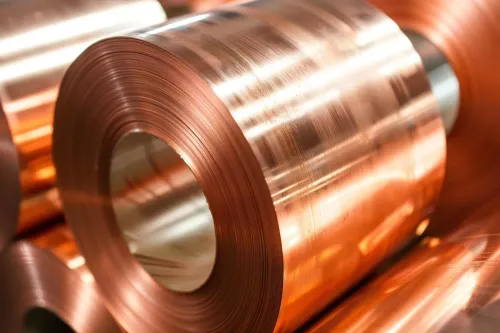
| Copper | Excellent electrical and thermal conductivity suits terminals and bus bars | It is soft and can deform under structural, impact or bearing loads |
| Stainless steel 316 | Strong, cleanable and useful for fasteners, brackets and wet equipment | Chlorides still cause pitting and crevice corrosion; it can create galvanic attack against aluminium or zinc-coated steel |
| Galvanised steel | Zinc coating gives economical sacrificial protection for general steelwork | Scratches and cut edges expose steel; direct wet contact with brass can accelerate zinc loss |
For brass plates specifications in Mumbai, state the exact alloy and service water, not “marine grade.” Isolate brass from aluminium, galvanised steel and some stainless assemblies with compatible fasteners, washers, coatings and drainage.
A vessel under Indian Register of Shipping, DNV, ABS or Lloyd’s Register control may require approved grades, witnessed tests, markings and mill traceability. Classification approval outranks a supplier’s label.
Write a Purchase Specification That Can Be Tested
“Brass plate” cannot stand alone on a purchase order. Write the exact UNS designation and temper; CuZn39Pb3, CuZn40, naval brass C46400, and aluminium bronze are different materials, so a “marine grade” claim proves nothing without composition and service-water approval.
1. State the material requirements: UNS number, applicable standard such as ASTM B36/B36M, temper, chemical limits for copper, zinc, tin, lead, iron and aluminium, plus the intended water chemistry. Identify the risk of dezincification where warm, stagnant or aggressive water is possible.
2. State the verified mechanical requirements: hardness method and range, tensile strength, yield strength, elongation, and density. Require the values in the mill test report, not a catalogue promise, and specify the test standard and sampling location.
3. State the dimensional requirements: nominal thickness, width, length, parent-plate size, mill or saw-cut status, thickness and width tolerances, flatness, squareness, surface finish, edge condition and cut allowance. Ask whether burrs or heat-affected edges require machining, and record the minimum purchasable quantity and treatment of charged remnants.
4. State inspection and certification: heat or batch number, permanent marking, chemical and mechanical test results, and an EN 10204 Type 3.1 certificate. Require Type 3.2 when the vessel specification or class society demands purchaser or independent inspector validation; name IRS, DNV, ABS or Lloyd’s Register if applicable.
A brass plates supplier in Mumbai should quote each item separately, including inspection, cutting and certificate charges. Reject “equivalent alloy” substitutions unless the design authority approves them in writing.
Confirm Plate Dimensions Against the Fabrication Drawing
Select thickness from the drawing’s finished section, load, unsupported span, joint detail and specified machining allowance—not from the stock size available. A thicker plate can change bend radius, hole length, edge preparation and component weight, so obtain engineering approval before substituting it.
For each dimension, confirm these points against the fabrication drawing:
- Thickness: state the nominal value, permitted tolerance, required temper and whether the drawing dimension is before or after machining.
- Width: allow for trimming only where the drawing permits it; check that the supplier’s actual width tolerance and flatness meet the blank requirement.
- Length: order enough for the finished length, end squaring and approved machining allowance, without assuming excess stock can be used.
- Cut dimensions: identify every hole, slot, notch, angle and edge detail from the drawing, including its datum and tolerance.
Brass plate dimensions in Mumbai refer to imported mill sizes, distributor stock and cut-to-size plates, not one local standard. Ask whether the quoted width and length are mill size or saw-cut size, and record parent-plate size, minimum quantity, cutting method, post-cut tolerance, squareness, surface condition and cut allowance.
Saw cutting can leave burrs or a heat-affected edge, so specify whether deburring or edge machining is included. Confirm whether remnants are charged before approving the order.
Check Marine Risks, Fabrication Limits and the Supplier Quote
Salt water, stagnant crevices and contact with dissimilar metals can cause dezincification or galvanic attack in brass. Confirm the alloy’s seawater suitability, isolate it from aluminium or steel with compatible gaskets or coatings, and obtain project approval before using brass in pressure, seawater or structural service. Brass is not a default replacement for hull steel.
1. Ask the brass plates supplier in Mumbai to identify the alloy by designation, heat number and mill. “Marine grade” proves nothing by itself. For classed work, check whether IRS, Lloyd’s Register, DNV or ABS requires an approved grade, manufacturer, witnessed tests or specific marking.
2. Define hot-work controls before cutting, brazing or welding. Zinc fumes require local exhaust ventilation and suitable respiratory protection; specify the filler metal, joint preparation and inspection method. Grinding and saw cutting can leave burrs, distortion or a heat-affected edge that needs machining.
3. Require an EN 10204 type 3.1 inspection certificate with chemical analysis and mechanical results linked to the heat number. Use type 3.2 when the purchaser’s representative or an appointed inspector must validate the results. Reject certificates that cannot be matched to the plate markings.
4. Make the quotation state parent-plate size, cut dimensions, thickness and width tolerances, flatness, squareness, cutting method, minimum quantity, cut allowance and remnant charges. R Mahaveerchandra & Co. is one supplier you can ask to separate material, cutting, machining and certification costs for brass plates for shipbuilding in Mumbai.
Frequently asked questions
Where does brass plate fit in marine fabrication?
Use brass plate for non-primary components such as fittings, trim, electrical hardware, wear parts and selected corrosion-service fabrications. Do not specify it for hull shells, frames, bulkheads or other load-bearing structure without approval against the vessel specification.
How should you choose a brass alloy before comparing prices?
Choose the alloy according to corrosion exposure, strength, forming, machining and joining requirements. Compare composition and condition first, because a lower price for a different alloy is not a like-for-like offer.
What should a testable brass plate purchase specification include?
State the alloy designation, temper or condition, thickness, width, length, dimensional tolerances, surface condition, quantity, inspection requirements, heat or batch identification and required material test documents.
Which brass plate dimensions must match the fabrication drawing?
Check thickness, width, length, hole or cut-out allowances, flatness and edge condition against the drawing. Confirm whether dimensions are millimetres, nominal sizes or finished sizes before ordering.
What should you check in a Mumbai brass plate supplier quote?
Check alloy and temper, supplied dimensions, tolerances, surface finish, batch traceability, inspection documents, packing, delivery basis and exclusions. Confirm that the quote addresses marine corrosion exposure and fabrication limits.
Keywords