The choice between a flexible conductor and a flat conductor depends on fault duty, grid geometry, termination space, mechanical exposure and corrosion risk—not on shape alone. By the end, you will be able to match each substation connection with the right form, specify the dimensions and tests, and identify when the design requires engineering review before purchase.
Key takeaways
- Choose wire for tight bends and irregular equipment connections.
- Size copper from fault duty and the approved earthing design.
- Use strip for straight grid runs and broad equipment connections.
- Specify alloy, dimensions, testing documents, joints and corrosion protection.
Choose the conductor form from the installation, not the catalogue label
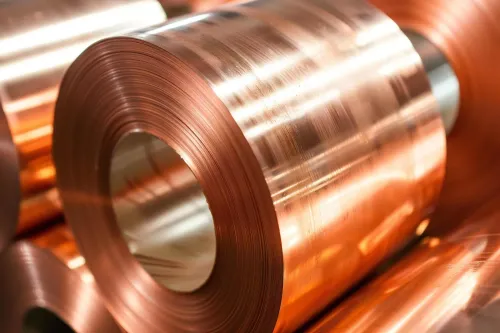
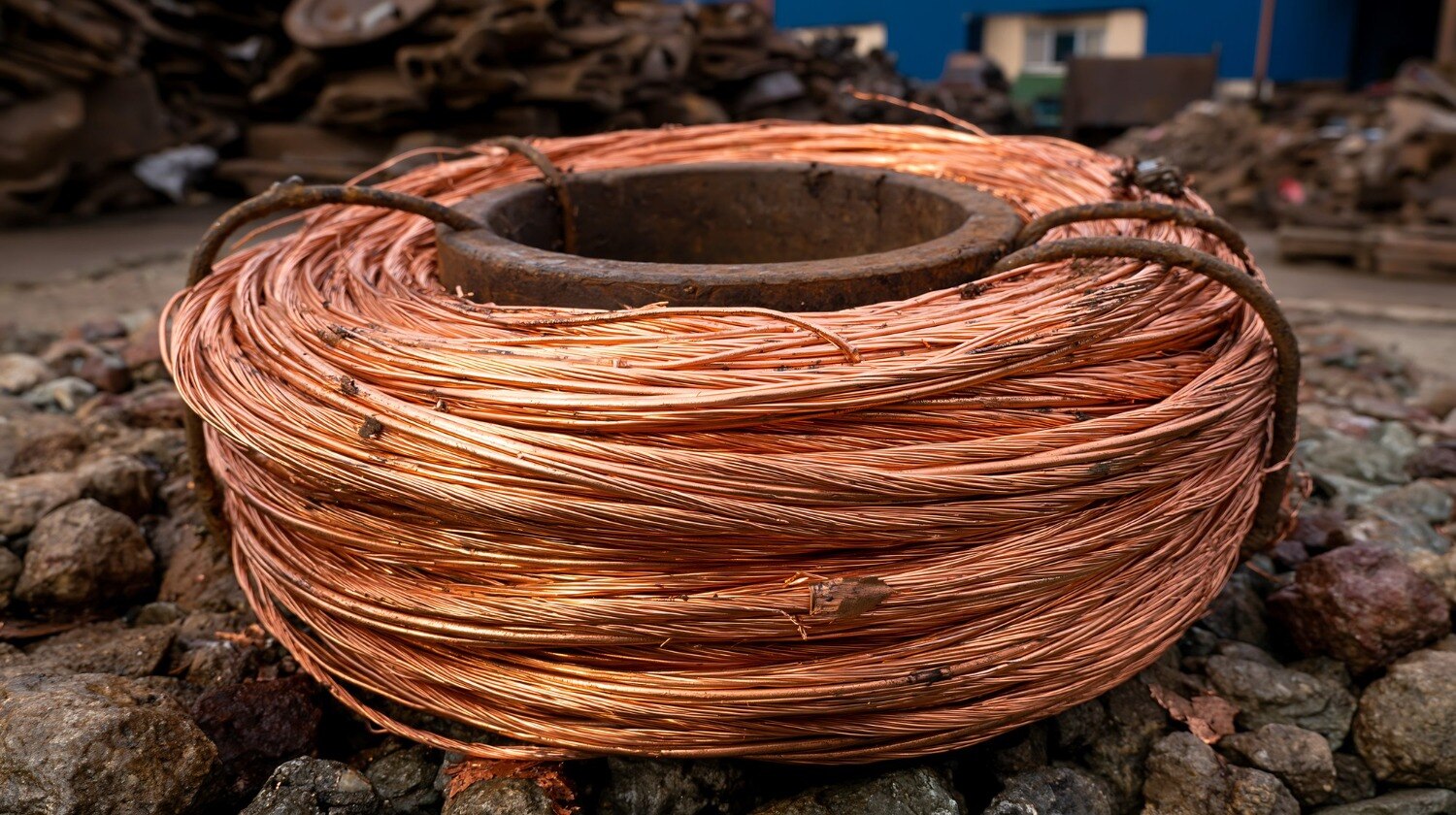
Choose stranded copper earthing wire when the route has tight bends, offsets or connections to irregular equipment. Its flexibility reduces forcing at lugs and accommodates equipment movement, but protect it from crushing and specify the permitted bend radius and termination method.
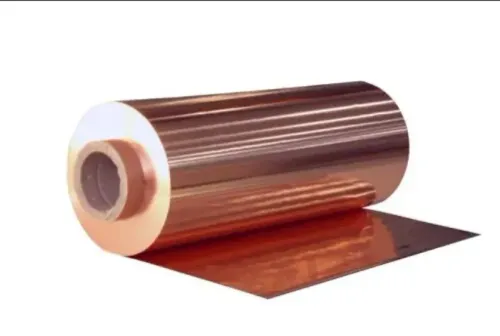
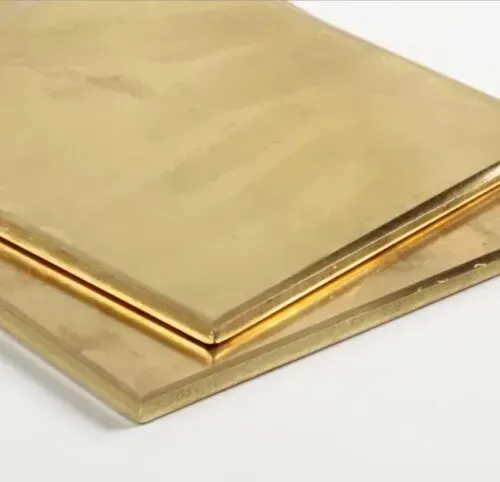
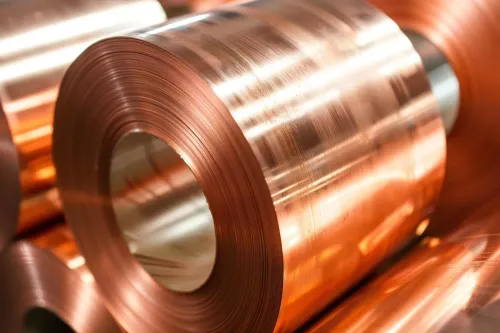
Choose copper strip for straight buried earth-grid runs, exposed equipment bonds and locations where width and thickness must be checked visually. Its flat face gives stable bolted joints and makes missing sections, drilling damage and corrosion easier to spot; its rigidity becomes a problem around bends and crowded terminations.
Copper earthing wire versus strip is an installation decision, not a claim that one carries more fault current.
| Option | Better choice | Main control |
|---|---|---|
| Stranded wire | Bent routes, flexible equipment bonds, transformer or panel connections | Check strand construction, lay, lug compatibility and bend radius; prevent loosening or mechanical damage |
| Copper strip | Straight trenches, visible bonds, fences, trays and grid conductors | State width and thickness; inspect continuous contact, bolt holes and joint faces |
| Either form | Equivalent approved cross-sectional area and material duty | Confirm fault current, clearing time, temperature limit, touch voltage and step voltage from the design |
Do not replace strip with wire because both have the same nominal area. Obtain the approved layout and equipment-owner specification first; IEEE 80 design checks and Central Electricity Authority safety requirements address grid performance and exposed conductive parts, not catalogue shape alone.
Use bare copper only where the design permits it, and insulated or covered conductor where contact or clearance demands protection.
Size the conductor from fault duty and the approved earthing design
The required copper area comes from the approved earthing study and the project short-circuit data, not from a catalogue label. Use the adiabatic check S = I√t/k, where I is earth-fault current, t is clearing time and k reflects copper grade, starting temperature and permitted final temperature.
Check parallel paths and joint capacity separately; a loose bolted joint can fail before the conductor.
| Design input | What it determines | Consequence for selection |
|---|---|---|
| Fault current and clearing time | Thermal withstand area | Increase cross-sectional area when fault duty or clearing time rises |
| Soil resistivity and grid geometry | Grid current distribution | Confirm touch and step voltages, not electrode resistance alone |
| Surface layer | Permissible body current | Include crushed rock or concrete thickness and resistivity in the IEEE 80 assessment |
| Installation exposure | Mechanical construction | Add protection for vehicle traffic, sharp edges, excavation and vibration |
For earthing wire for substations in mumbai, obtain the approved layout, fault study and equipment-owner specification before changing wire to strip or reducing area. Specify these details in the conductor schedule:
- Copper grade, temper, nominal area, conductivity or resistivity, surface condition and dimensional tolerances.
- For strip, state both width and thickness; “50 mm copper strip” is incomplete without thickness.
- For wire, state bare or insulated construction, strand count, strand diameter, lay direction, flexibility and insulation or sheath rating.
- State joint, termination and temperature limits, because equivalent areas do not guarantee equivalent mechanical performance.
- Require routine test certificates matching the supplied batch and design values.
Match wire and strip to each substation connection
Use the approved earthing layout to assign conductor form; do not replace strip with wire merely because both have the same cross-sectional area. For copper earthing wire or strip in Mumbai, specify bare or insulated construction separately from size.
| Connection | Preferred form | Selection point |
|---|---|---|
| Earth grid | Bare stranded wire or copper strip | Use the approved grid geometry, fault duty and joint detail. Strip eases visual inspection; wire follows uneven trenches and tight routes. |
| Equipment bonds | Copper strip or flexible stranded wire | Use strip for exposed steelwork and bolted joints; use flexible wire where doors, vibration or movement exists. |
| Transformer neutral | Bare stranded wire or strip | Follow the transformer and earthing design for fault current, clearing time and parallel paths. Keep the route short and direct. |
| Lightning protection | Copper strip, or specified round wire | Strip suits straight, exposed down-conductor runs. Use the lightning design’s bend, separation and joint requirements. |
| Fences | Copper strip or stranded wire | Bond each required fence section and gate with mechanically protected conductors; do not rely on fence hinges. |
| Cable trays | Bare strip or stranded wire | Bond tray sections across expansion joints and connect them to the grid at the points shown on drawings. |
| Control panels | Insulated flexible copper wire | Use green-yellow identification, crimped lugs and protected routing inside or between panels; match the panel specification. |
A flexible conductor still needs protection from vehicles, sharp edges and excavation. A rigid strip needs supported bends and must not be forced around corners. Confirm every substitution against the owner’s drawings and applicable Central Electricity Authority safety requirements.
Control Mumbai soil, water and dissimilar-metal joint risks
Mumbai monsoon water changes the installation sequence: keep trenches dewatered, prevent mud from entering joints, and inspect the conductor before backfilling. A buried connection made in standing water can hide a loose clamp and trap chloride-bearing moisture against the metal.
- Test soil resistivity at the substation locations shown in the approved earthing design; do not size or alter the grid from a catalogue value.
- In saline soil, use the specified corrosion-resistant backfill and avoid salt or charcoal additions. Salt lowers resistance briefly, then washes away and accelerates copper corrosion.
- In crowded trenches, fix the route, separation and bend radius before pulling conductor. Protect copper from sharp edges, maintain access to inspection joints, and prevent contact with unapproved metallic services.
- Keep joints above areas that remain permanently wet where the layout permits. Seal approved buried joints against water ingress and record their locations before covering them.
Copper earthing wire versus strip also affects joint risk. Stranded wire follows tight bends and irregular equipment; strip gives a broad, inspectable bolting surface but needs room for a sound bend and termination.
Never clamp bare copper directly to galvanized steel or zinc-coated steel. Specify an approved bimetallic connector or transition joint, use the manufacturer’s preparation and torque instructions, and apply the specified moisture and corrosion protection. An earthing wire for substations in Mumbai still requires the owner’s approved drawings and equipment specification before any copper-to-steel substitution.
Write a purchase specification that survives inspection and acceptance
State the complete conductor identity on the purchase order; “50 mm copper strip” is not a specification.
| Form | State on the order | Inspection focus |
|---|---|---|
| Stranded wire | Copper grade, temper, nominal area, strand count and diameter, lay direction, bare or insulated construction | Strand count, diameter, flexibility, surface and insulation |
| Flat strip | Copper grade, temper, width × thickness, nominal area and dimensional tolerances | Width, thickness, straightness, edges and surface condition |
| Either form | Conductivity or resistivity, finish, coil or straight-length supply, marking and packing | Heat number, batch traceability and damage |
For a copper earthing wire supplier in Mumbai, require these documents with each lot:
- Manufacturer’s material test certificate showing grade, chemical composition, conductivity or resistivity, dimensions and batch number.
- Certificate of conformity against the approved drawing, purchase specification and applicable project standard.
- Routine test reports for dimensional checks; add tensile and elongation results for stranded wire, and insulation test results for covered conductors.
- The approved earthing layout and equipment-owner specification must control any substitution. Include the Central Electricity Authority safety requirements and the project’s IEEE 80 design basis where specified.
Write every joint into the order: approved bolted connector, welded joint or exothermic connection; conductor preparation, connector rating, torque or welding procedure, corrosion protection and inspection record. Require continuity or joint-resistance results and visual acceptance before burial. Earth resistance alone does not prove safe touch and step voltages.
R Mahaveerchandra & Co. can receive a copper earthing wire or strip in Mumbai enquiry that includes these fields instead of a generic size request.
Related products
 | Copper R. Mahaveerchandra & Co. R. Mahaveerchandra & Co. offers premium quality Copper Earthing Wire manufactured using high-grade copper for superior... View product → |
 | Copper R. Mahaveerchandra & Co. R. Mahaveerchandra & Co. offers premium quality Copper Earthing Strips manufactured using high-grade copper for excellent... View product → |
Frequently asked questions
When should you choose copper earthing wire instead of strip?
Choose stranded copper wire for tight bends, route offsets, equipment movement and irregular connections. Protect it from crushing and state the bend radius and termination method.
How do you size copper earthing conductors for a substation?
Use the approved earthing design, prospective fault current, fault-clearing time and allowable conductor temperature. Do not select a size from catalogue availability alone.
Where is copper strip more suitable than wire?
Use copper strip for straight earth-grid runs, buried routes and connections that need a broad, rigid contact surface. Confirm its dimensions and installation method in the approved design.
What risks affect copper earthing installations in Mumbai?
Check wet or saline soil, standing water, corrosion at joints and contact between copper and dissimilar metals. Specify compatible hardware, joint protection and inspection records.
What should a purchase specification for substation earthing copper include?
State conductor form, copper grade, dimensions or cross-sectional area, temper, length, surface condition, applicable test certificates, packing, marking and acceptance checks.
Keywords