A copper shim sheet earns its place when it corrects a small, measurable mismatch without weakening the joint or replacing a rated connector. By the end, you will be able to identify suitable substation uses, calculate a stable shim stack, specify the copper condition, and reject installations where a shim creates more risk than value.
Key takeaways
- Use copper shims to restore contact area and correct controlled joint mismatch.
- Do not treat copper shims for grounding as a substitute for a rated connector.
- Calculate stack thickness from the measured gap and available compression.
- Verify copper grade, temper, thickness, flatness and test documents before buying.
What a copper shim sheet does in a substation joint
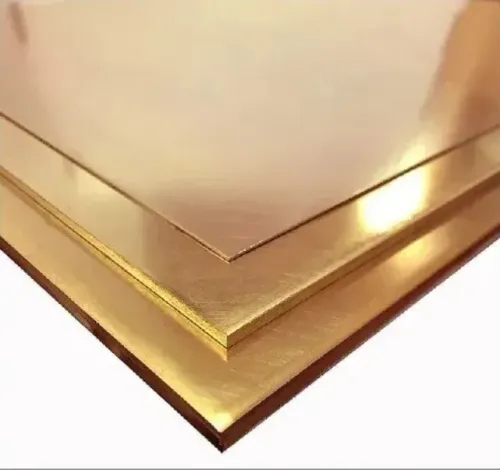
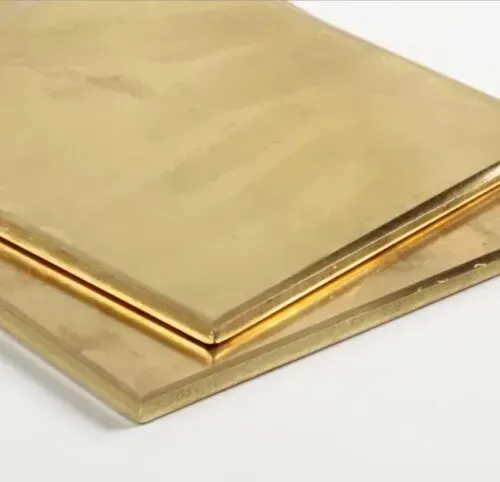
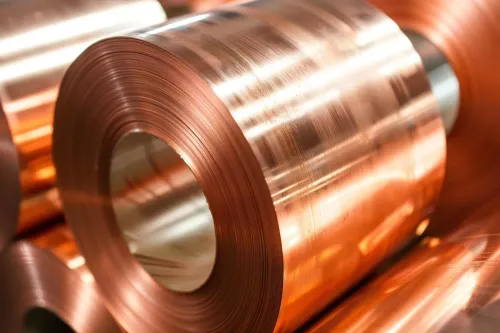
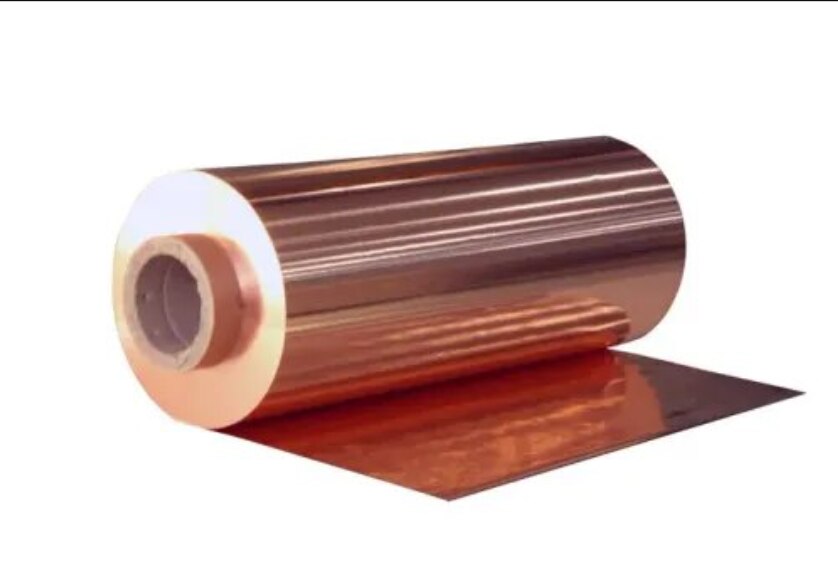
A copper shim sheet is a thin, flat piece of copper inserted between mating parts to correct a controlled mismatch. Its main value is mechanical: it restores contact area, spreads pressure and creates a continuous metal-to-metal interface without remachining sound hardware.
| Copper sheet | General flat stock, often selected for fabrication | Cutting or forming larger parts |
|---|---|---|
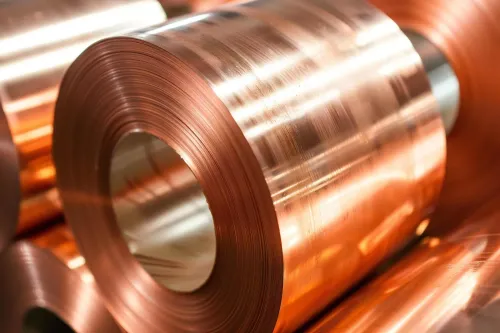
| Copper strip | Narrow, long stock with a defined width | Conductors, straps or narrow packing |
| Copper foil | Extremely thin material for fine adjustment or shielding | Very small clearances, not load-bearing packing |
| Copper shim sheet | Flat precision packing material in a specified thickness | Closing small gaps and correcting joint fit |
| Machined spacer | Rigid, shaped part with fixed geometry | Larger offsets, repeatable stand-off or structural support |
The useful copper shim sheet benefits in a substation joint include:
- Correcting busbar-to-connector alignment when the parts are close but not parallel.
- Filling a small contact gap under a lug, bar or equipment pad.
- Adjusting an equipment mounting interface without drilling or cutting the main part.
- Spreading bolt pressure so one edge does not carry the entire load.
- Providing a continuous metal-to-metal contact surface across minor surface irregularity.
For contractors comparing copper shims sheet for substation contractors, the economic case is strongest when a controlled mismatch would otherwise cause remachining, rework or replacement. Keep the shim flat, smooth and free of heavy burrs; a folded or wrinkled piece creates new pressure points.
A shim is not a cure for a large gap, badly distorted hardware or poor fabrication that needs remachining. It also does not replace a rated connector or engineered joint design. Stop and correct the hardware when the shim would need excessive layers, carry structural load or compensate for a visibly warped interface.
Can copper shims be used for grounding connections?
Yes, but only as part of a qualified grounding joint. Copper shims for grounding can close a small gap and improve metal-to-metal contact between a lug, busbar or equipment pad; they are not the grounding conductor itself.
1. Confirm the design provides the required conductor cross-section. A plain shim does not replace a dedicated copper earthing strip, braid, wire, conductor, bonding washer or rated connector.
2. Check the complete joint: contact pressure, bolt pattern, surface preparation and the specified connection method. Remove paint, oxide, grease, dirt and burrs, then follow the equipment or connector manufacturer’s torque procedure. Insufficient preload, contamination or vibration can leave high resistance despite a copper shim.
3. Use a qualified connection, such as a compression connector, approved bolted-joint design or exothermic weld. IEEE 837 covers qualification of permanent grounding connections; it does not make an arbitrary shim a qualified connection.
4. Verify the grounding design under IEEE 80. That work addresses ground-potential rise and touch and step voltage, not a generic copper-sheet ampacity calculation. A shim cannot replace the grounding grid or its designed fault-current path.
5. Treat copper-to-aluminium contact as a separate engineering problem. Use a listed bimetallic connector, transition pad or other manufacturer-approved Cu/Al solution; a copper shim alone does not control galvanic corrosion or interface resistance. A purpose-designed bonding washer can have tested bearing, serration or locking features that a plain shim lacks.
How do you size a shim and calculate the stack?
Size the shim from the measured gap, not from an arbitrary layer count. Measure the gap at several points with feeler gauges or a calibrated depth gauge, then record the required thickness, length, width, hole diameter and edge clearance. Use the joint drawing to establish the target stack height and allowable adjustment range.
- Calculate stack height as the measured gap at each point, adjusted only for the joint’s specified contact, preload or clearance requirement.
- Select shim thicknesses whose combined height falls within that allowable range; do not assume three or five layers will fit.
- Compare the shim’s hole diameter and edge clearance with the manufacturer’s bolt, washer and hardware dimensions.
- Prefer one thicker shim when it fits the tolerance. Each added layer creates another contact interface, increasing opportunities for movement, uneven pressure and resistance.
- Reject an excessive stack if it reduces thread engagement, leaves inadequate bolt projection, shifts under vibration or causes the joint faces to sit out of alignment.
| Stack choice | Mechanical effect | Check before approval |
|---|---|---|
| One thicker shim | Fewer interfaces and better stability | Flatness, bearing area and fit |
| Several thin shims | Easier fine adjustment but more interfaces | Movement, extrusion and bolt engagement |
| Oversized stack | Can distort alignment and preload | Manufacturer’s adjustment limit |
After assembly, verify bolt projection, full bearing area and busbar or connector alignment. Complete the specified resistance test or torque check; a correct thickness does not compensate for poor contact preparation or inadequate preload.
Which copper grade and temper should you specify?
Specify C11000 when the joint needs high conductivity and general formability. Choose C10100 only when the specification calls for low oxygen or a defined high-conductivity requirement. C12200 is a separate choice, not an electrical substitute for C11000; verify conductivity and joining requirements before using it.
| Option | Strength | Specify when |
|---|---|---|
| C11000 electrolytic tough-pitch copper | High conductivity and easy forming | General busbar, connector and adjustment shims |
| C10100 oxygen-free copper | Low oxygen and high conductivity | The project specification names those requirements |
| C12200 phosphorus-deoxidized copper | Different chemistry and joining behaviour | The designer approves its conductivity and joining method |
| Annealed copper | Conforms readily to uneven interfaces | Contact pressure is controlled and conformity matters |
| Harder copper temper | Retains thickness under load | Vibration, thermal cycling or repeated adjustment could deform a soft shim |
| Copper alloy alternative | Holds shape better than pure copper | Mechanical retention outweighs maximum conductivity |
Annealed copper can cold-flow or extrude from a highly loaded bolted joint. Select temper against bolt pressure and service temperature, not installation convenience alone.
Prepare both faces: remove oxide, paint, grease, burrs and wrinkles; keep the shim flat; then tighten to the equipment or connector manufacturer’s specified torque. Poor preparation can leave high contact resistance even with conductive copper.
For a copper shim sheet in Mumbai, compare R Mahaveerchandra & Co. against other sources by alloy, temper, thickness tolerance and mill-test documentation, not city availability alone. Confirm the joint drawing before accepting a substitute.
Related product
 | Copper R. Mahaveerchandra & Co. R. Mahaveerchandra & Co. offers premium quality Copper Shims Sheets manufactured using high-grade copper for superior... View product → |
What should you verify before you buy copper shim sheet?
The economic case is strongest when a shim avoids remachining, corrects a small dimensional mismatch or lets a standard connector fit an otherwise serviceable assembly. It is weak when the gap is large, the joint must carry fault current as a conductor, severe corrosion is expected or the shim would replace a tested transition connector.
1. State ASTM B152/B152M compliance when the project specification calls for it. Request the copper grade or chemical composition, temper, nominal thickness and thickness tolerance.
2. Match the drawing: confirm flatness, length, width, hole dimensions and edge clearance. A nominal thickness alone cannot confirm fit or bolt engagement.
3. Specify surface finish and burr condition. Ask for the batch or heat number and mill-test or certificate records so the delivered material can be traced.
4. Inspect each pack before acceptance. Reject sheets with dents, folds or corrosion, and separate any package containing mixed alloys.
A copper shim does not automatically reduce contact resistance. Oxide, paint, dirt, plating incompatibility, insufficient preload or movement under vibration can still compromise the joint, so follow the connection procedure and specified torque.
If you want to buy copper shims sheet, purchase against the joint drawing and connection procedure, not a nominal thickness alone. Choose it when it removes a defined piece of rework; choose a redesigned joint, conductor or qualified connector when the shim would carry a function it was never tested to perform.
Frequently asked questions
What does a copper shim sheet do in a substation joint?
It fills a controlled mismatch, restores contact area, spreads clamping pressure and maintains a continuous metal-to-metal interface without remachining sound hardware.
Can copper shims be used for grounding connections?
Copper shims can improve metal-to-metal contact in a grounding joint, but they do not replace a rated grounding connector, correct fastener torque or the specified connection design.
How do you size a copper shim and calculate the stack?
Measure the joint gap at several points, identify the required final compression, then select a shim or stack whose total thickness fills the gap without preventing full fastener engagement.
Which copper grade and temper should you specify?
Specify the copper grade, temper, thickness tolerance and required conductivity or mechanical properties from the equipment design, then confirm compatibility with the mating metals and environment.
What should you verify before buying copper shim sheet?
Check thickness, flatness, burrs, surface condition, cut dimensions, copper grade, temper, batch traceability and inspection or test documents before accepting the material.
Keywords