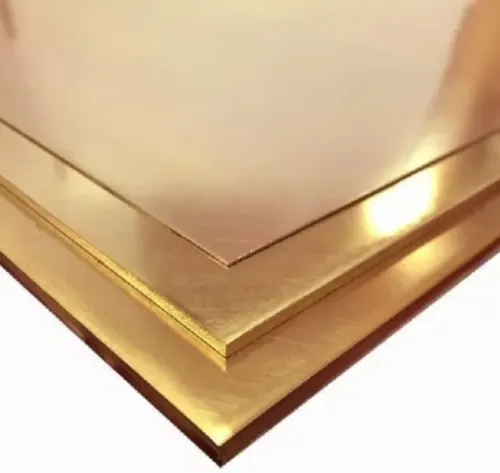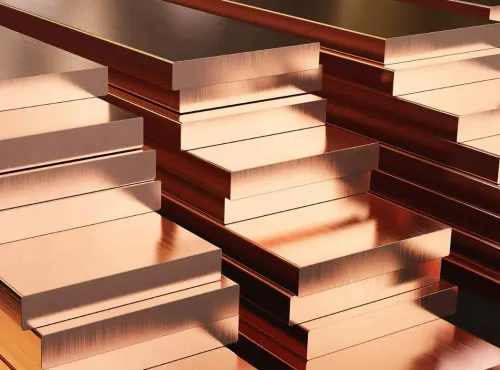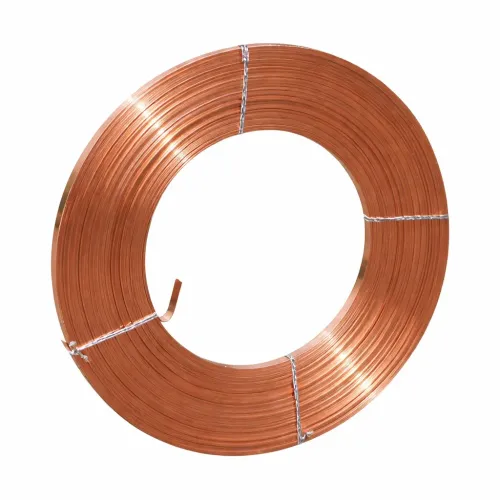


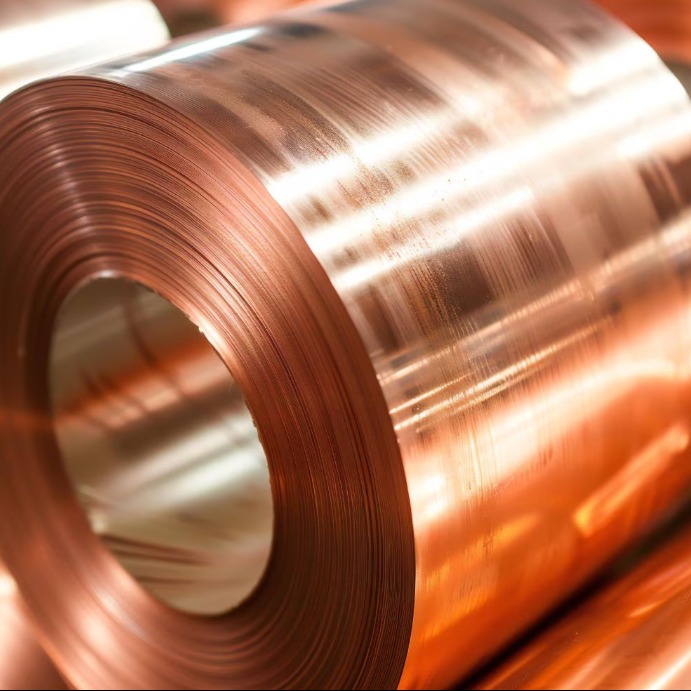
Copper foil is a thin, versatile form of copper used in electrical, electronics, engineering and specialized manufacturing applications. Its combination of electrical conductivity, thermal conductivity, flexibility and corrosion resistance makes it suitable for applications where a conventional copper sheet or strip may be too thick.
For industrial buyers in Mumbai, selecting copper foil requires careful attention to thickness, dimensions, surface condition and end-use requirements. R Mahaveerchandra & Co. caters to businesses looking for copper and other non-ferrous metal products for manufacturing and industrial applications.
Where Is Copper Foil Used?
Copper foil is valued wherever a thin conductive material is required. Depending on the grade and specification, it may be considered for:
- Electrical and electronic components
- Conductive shielding applications
- Transformer-related components
- Industrial laminations
- Heat dissipation applications
- Fabricated electrical parts
- Specialized engineering assemblies
- Research and development projects
The exact material requirement varies considerably between applications. A foil suitable for one manufacturing process may not necessarily be appropriate for another.
Why Do Manufacturers Choose Copper Foil?
Electrical conductivity is one of the main reasons for using copper foil. The thin profile allows manufacturers to incorporate conductive copper into compact components without adding excessive material thickness.
Copper also transfers heat effectively, making foil useful in certain thermal-management applications.
Another practical advantage is formability. Depending on the thickness and application, copper foil can be cut, shaped or incorporated into different assemblies.
Thickness Should Match the Application
One of the most common purchasing mistakes is treating all copper foil as interchangeable.
Foil thickness can influence flexibility, handling, conductivity and fabrication performance. Before ordering, manufacturers should establish the required thickness and tolerance based on their product design or process.
Buyers should ideally specify:
- Required thickness
- Width and length
- Quantity
- Application
- Surface requirements
- Any relevant material specification
Providing clear information makes procurement more efficient and reduces the possibility of receiving material that does not suit the intended manufacturing process.
Storage and Handling Also Matter
Thin copper material should be handled carefully to prevent unnecessary bending, scratching or surface contamination.
Manufacturers using copper foil for sensitive applications should establish appropriate storage practices after receiving the material. Clean, dry storage can help preserve the material's condition before processing.
Sourcing Copper Foil in Mumbai
Mumbai and the surrounding industrial regions of Maharashtra support a broad range of electrical, electronics, engineering and manufacturing businesses. These companies may require copper foil in different dimensions and quantities depending on their production needs.
R Mahaveerchandra & Co. serves industrial procurement requirements for copper and other non-ferrous metals in Mumbai.
Rather than selecting copper foil only by price, buyers should evaluate whether its thickness, dimensions and condition match the intended process. Clear technical specifications make it easier to control material usage, minimize production issues and maintain consistency across repeat orders.