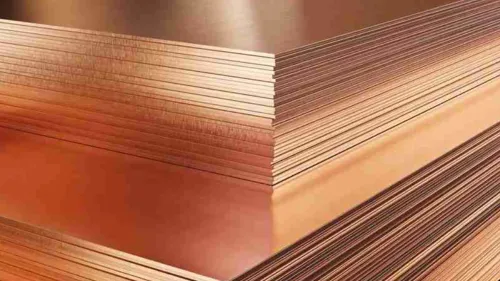


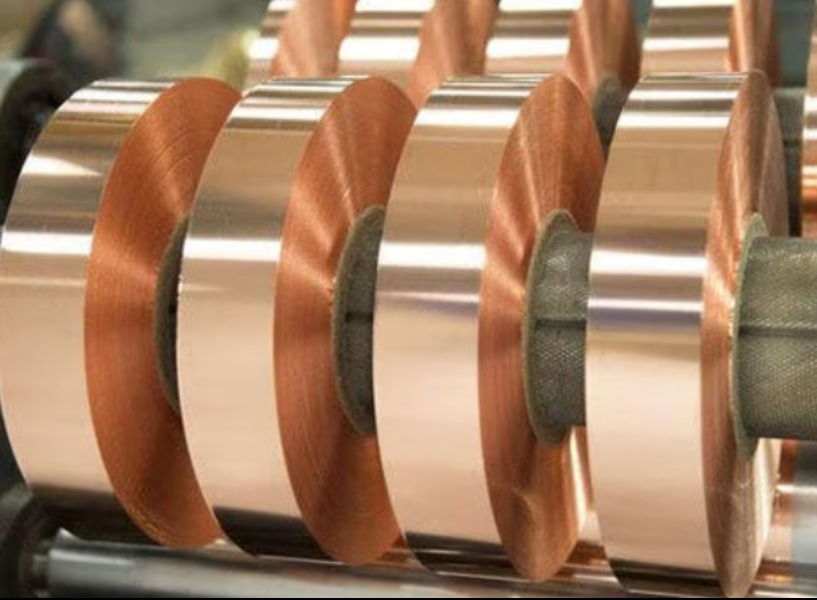
Copper Strips may appear to be straightforward metal products, but relatively small differences in width, thickness, temper, and material quality can significantly affect their suitability for an application. They are commonly considered for electrical, engineering, fabrication, and component-manufacturing requirements.
One reason copper is used in electrical applications is its high electrical conductivity. Copper strips can be incorporated into electrical assemblies, conductive components, connections, switchgear-related systems, and other engineered products where efficient current flow is required.
Dimensions deserve careful attention. For example, a buyer ordering material for repeated component production should consider whether the specified strip dimensions suit cutting, punching, bending, or other downstream operations.
Before ordering, it is useful to define:
- Required width and thickness
- Length or coil requirement
- Grade or applicable specification
- Surface condition
- Temper or hardness where relevant
- Quantity and production frequency
- Intended fabrication process
These details help prevent a common purchasing problem: ordering material that is technically copper but unsuitable for the actual production process.
Copper strips can also be selected where thermal conductivity or corrosion resistance is useful. However, material selection should always consider the operating environment. Exposure conditions, mechanical loads, joining methods, electrical requirements, and fabrication processes can all influence the appropriate specification.
For manufacturers in Mumbai and industrial areas across Maharashtra, supply consistency is another practical consideration. Businesses with recurring production schedules may benefit from maintaining clearly documented material specifications. This makes repeat procurement easier and reduces variation between orders.
Handling practices matter as well. Strip edges can be vulnerable to damage during transport, while surface scratches may create difficulties where appearance or close-contact surfaces are important. Suitable packing and careful storage therefore form part of effective material management.
R Mahaveerchandra & Co. works with customers seeking Copper Strips and related non-ferrous materials for different industrial requirements in Mumbai. Buyers can make supplier discussions more productive by providing exact dimensional and application information instead of requesting material only by product name.
Copper strip selection is therefore a specification-driven decision. When dimensions, material characteristics, processing requirements, and end use are considered together, businesses can procure material that integrates more smoothly into their manufacturing process and reduces avoidable rework.