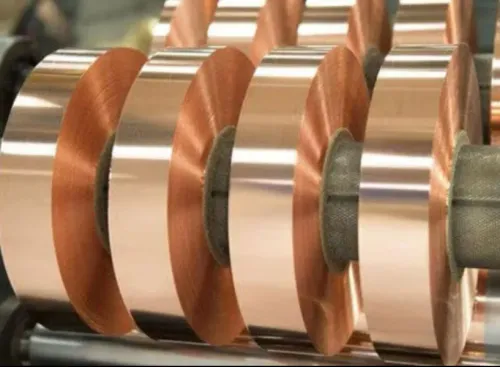


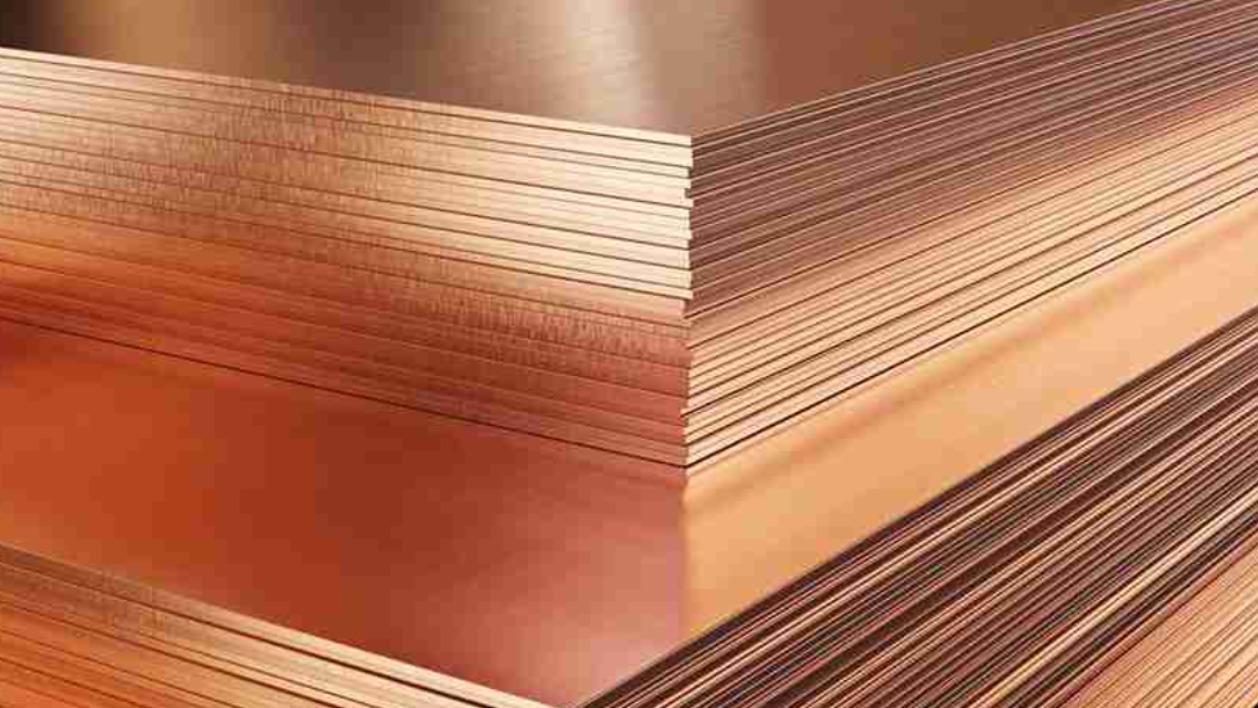
Copper Sheet is widely used wherever electrical conductivity, thermal performance, corrosion resistance, and dependable fabrication are important. From electrical panels and industrial equipment to engineering components and architectural work, the suitability of a copper sheet depends on more than its appearance or basic dimensions.
For buyers in Mumbai and across Maharashtra, understanding the intended application before selecting material can prevent fabrication difficulties, unnecessary costs, and performance issues.
Thickness is one of the first specifications to consider. A thin copper sheet may be appropriate for lightweight fabrication, cladding, decorative components, or forming operations, while heavier gauges may be required for engineering and electrical applications. Selecting excessive thickness can increase material cost and weight without adding practical value.
Material condition also matters. Depending on how the sheet will be cut, bent, formed, punched, soldered, or machined, the required temper and physical properties can differ. A fabrication shop producing intricate components may have different requirements from an electrical equipment manufacturer.
Important factors to evaluate include:
- Required thickness, width, and length
- Copper grade and purity requirements
- Electrical or thermal conductivity expectations
- Surface finish
- Formability and fabrication method
- Quantity and repeat-order requirements
- Applicable technical specifications
Mumbai has a large ecosystem of electrical, engineering, fabrication, construction, and manufacturing businesses. This creates demand for copper products in both standard sizes and application-specific specifications.
Buyers should also think beyond the initial purchase. Consistency between batches can be particularly important when copper sheets are used in ongoing production. Changes in thickness tolerance, surface quality, or material characteristics may affect downstream processes.
Proper storage is equally important. Copper sheets should generally be protected from moisture, contamination, rough handling, and unnecessary surface contact when appearance is critical. Suitable packaging can help preserve the material during transportation and storage.
R Mahaveerchandra & Co. serves industrial buyers looking for copper and other non-ferrous metal products in Mumbai. When discussing a requirement with a supplier, sharing drawings, dimensions, thickness, quantity, application, and relevant standards can make material selection more precise.
The right Copper Sheet is ultimately the one that matches the actual operating and fabrication requirements. Starting with technical specifications rather than choosing only on price helps manufacturers reduce waste, simplify production, and obtain material better suited to the finished component.