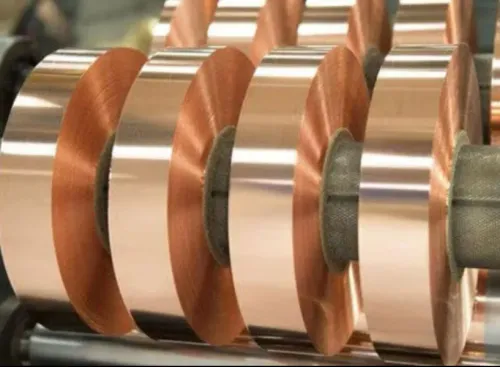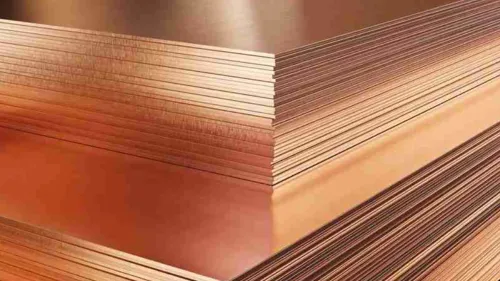


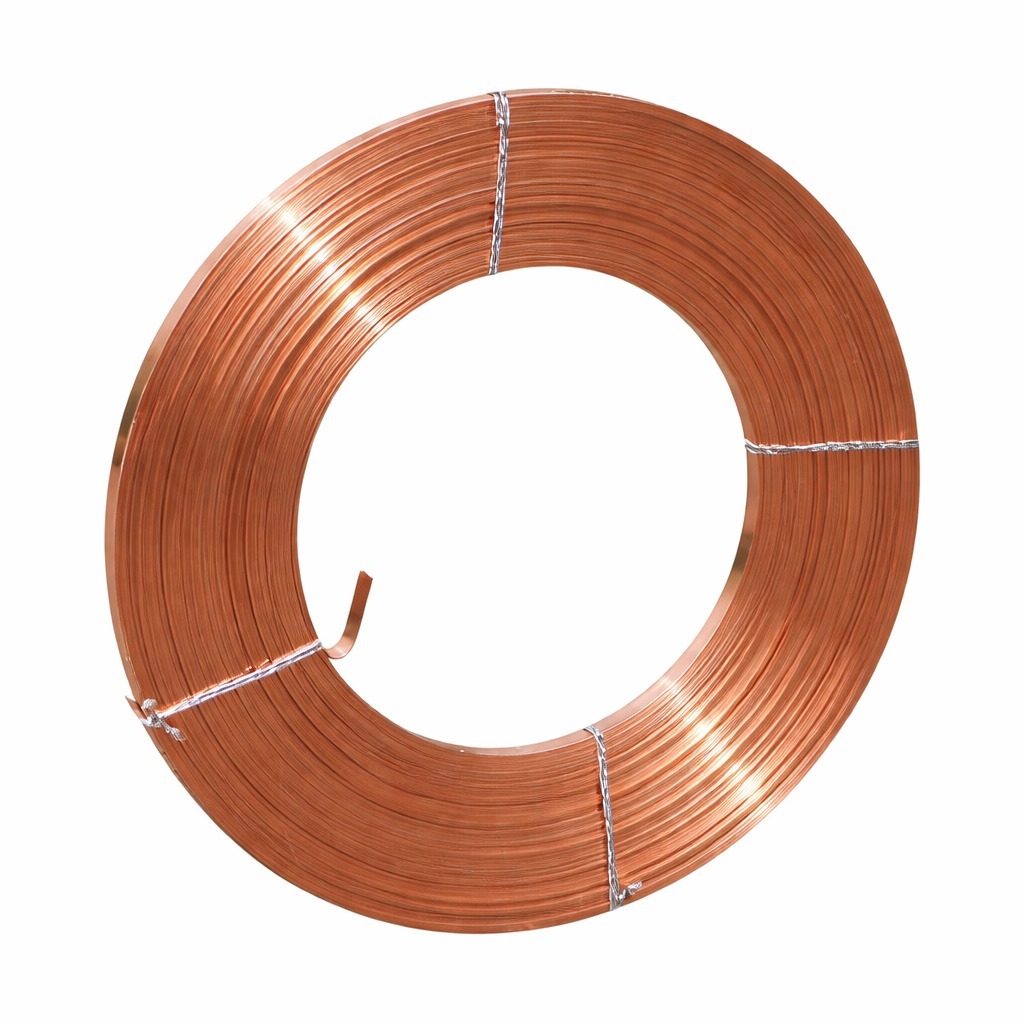
An earthing system is intended to provide a suitable path for fault current and support electrical safety, but its performance depends on proper engineering, installation, connections, and material selection. Copper Earthing Strips are used in various electrical and industrial earthing arrangements because copper offers high conductivity and useful corrosion resistance.
Choosing an earthing strip should never be reduced to selecting a convenient width and thickness. Electrical design requirements, fault-current conditions, installation environment, applicable standards, and system configuration all need consideration.
The cross-sectional dimensions of the strip are particularly important. They should be determined according to the electrical design rather than selected through guesswork. An industrial installation with substantial electrical loads may have requirements quite different from those of a smaller commercial facility.
Environmental conditions also influence selection. Earthing components may encounter moisture, chemicals, soil conditions, industrial contaminants, or outdoor exposure. Material and connection methods therefore need to be appropriate for the installation environment.
Another important issue is joint integrity. Even correctly specified material cannot compensate for poor installation. Connections should be designed and installed according to the relevant electrical practices so that the intended conductive path is maintained.
When procuring Copper Earthing Strips, buyers should communicate:
- Strip width and thickness
- Required length
- Copper grade or specification
- Installation environment
- Project quantity
- Applicable drawings or standards
- Any special dimensional tolerances
For electrical contractors, panel builders, infrastructure companies, and industrial facilities in Mumbai, Maharashtra, accurate specification becomes particularly important on larger projects where consistency across multiple installations is required.
R Mahaveerchandra & Co. supplies copper products for industrial requirements in Mumbai. A detailed enquiry containing technical dimensions and project requirements enables a supplier to understand the requirement more accurately than a general request for an earthing strip.
Buyers should also avoid assuming that thicker material is automatically the correct choice. Overspecification can increase cost, while underspecification may fail to meet design requirements. The appropriate dimensions should come from the electrical design and applicable standards.
Copper Earthing Strips are therefore one component of a complete earthing system rather than a standalone safety solution. Proper engineering, correctly selected materials, suitable joints, installation quality, and periodic inspection all contribute to system performance. Procurement works best when the material specification follows the engineering requirement rather than the other way around.