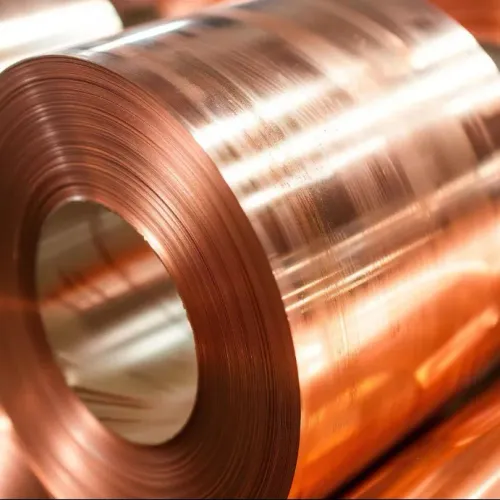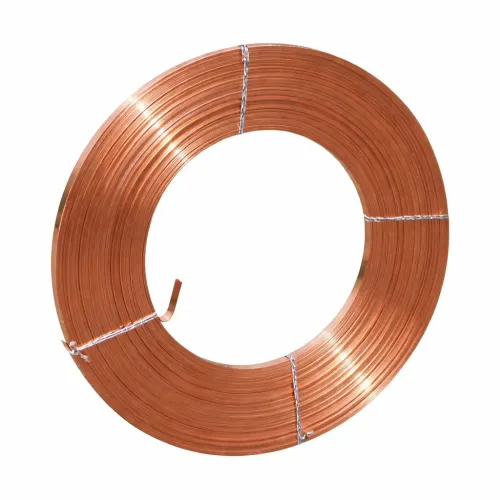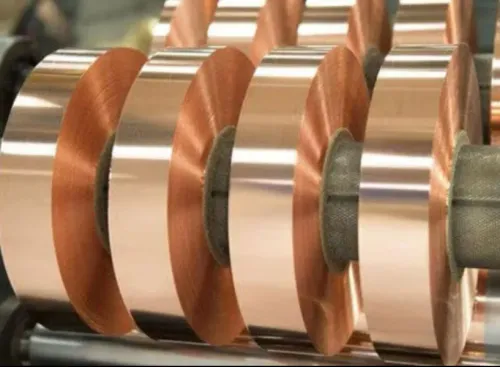


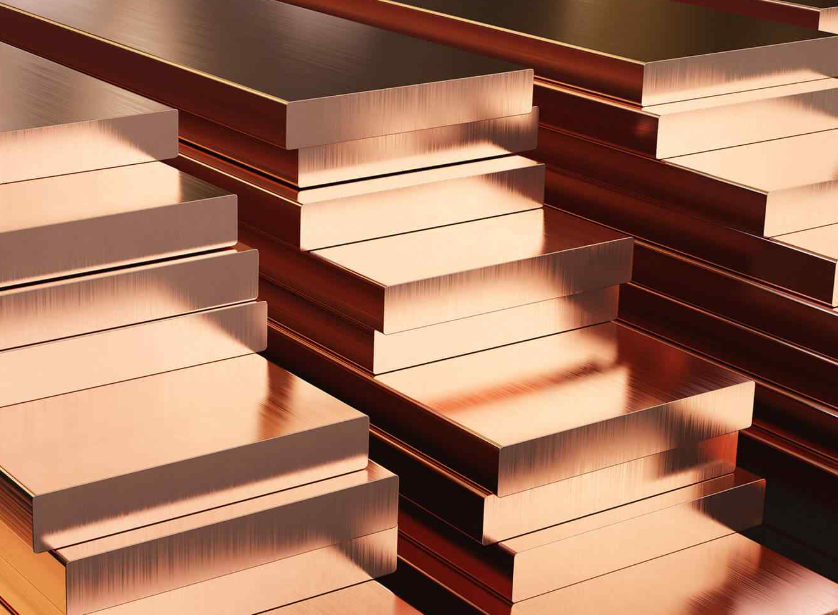
Selecting a Copper Bus Bar involves balancing electrical requirements with dimensions, fabrication needs, installation conditions, and overall project design. Bus bars are commonly incorporated into electrical distribution equipment where substantial current needs to be carried efficiently between components.
Copper is widely used because of its electrical conductivity, but the fact that a bus bar is made from copper does not automatically make it appropriate for every installation.
The required cross-section is a major design consideration. Current, allowable temperature rise, enclosure conditions, ventilation, installation arrangement, fault levels, applicable standards, and other engineering factors can influence bus bar sizing. For that reason, dimensions should be based on qualified electrical design calculations rather than a generic rule.
Buyers evaluating options should consider several practical questions.
What dimensions are required?
Width, thickness, and length should correspond to the approved design and fabrication arrangement.
Will further fabrication be required?
Drilling, punching, bending, machining, or other processing may influence material and dimensional requirements.
What installation conditions apply?
Bus bars installed inside enclosed equipment may face different thermal conditions from those in other configurations.
Are repeat quantities required?
Panel builders and OEMs may need dimensional consistency across production batches.
For electrical panel manufacturers and industrial businesses in Mumbai, purchasing solely on a per-kilogram price can overlook these factors. Material that requires extensive additional processing or creates excessive scrap may not represent the most economical option overall.
It is useful to compare suppliers based on specification clarity, dimensional availability, consistency, material documentation where required, and the ability to understand recurring industrial requirements.
R Mahaveerchandra & Co. supplies Copper Bus Bar requirements along with other copper, brass, and aluminium products for customers in Mumbai. Sharing drawings or exact dimensions when requesting material can make quotations and procurement discussions substantially clearer.
Buyers should also account for storage and handling. Conductive surfaces should be protected from unnecessary contamination or damage, particularly when subsequent fabrication or electrical contact requirements make surface condition important.
A well-planned Copper Bus Bar purchase begins with the electrical design and ends with material that can move efficiently into fabrication and assembly. Price remains relevant, but it should be evaluated alongside correct sizing, quality, processing requirements, waste, and supply consistency. That broader approach gives panel builders and industrial purchasers a more useful basis for comparing material options.