

Choosing a sheet metal for an industrial component involves more than comparing prices. Strength, corrosion resistance, machinability, appearance, conductivity and fabrication requirements can all influence the decision.
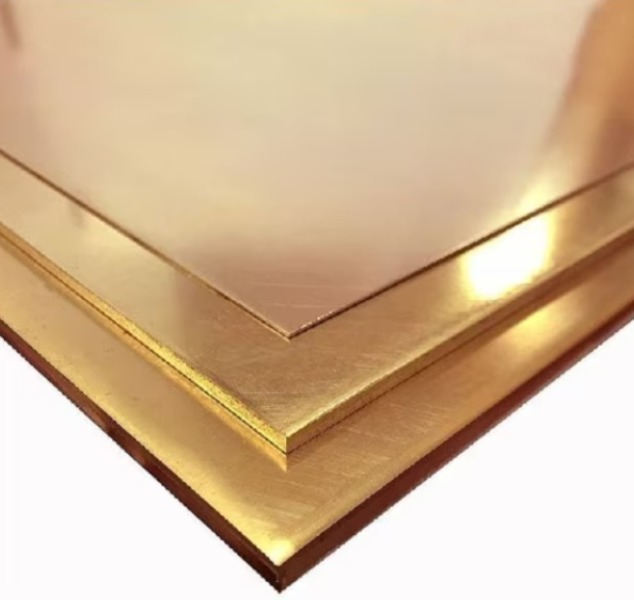
Brass sheet is commonly considered for engineering, decorative, electrical and fabrication applications because it combines useful mechanical properties with an attractive surface finish.
For manufacturers and fabricators in Mumbai, understanding where brass performs well can help prevent unnecessary material substitutions. R Mahaveerchandra & Co. supplies non-ferrous metal products for a range of industrial requirements in the region.
What Makes Brass Sheet Different?
Brass is primarily an alloy of copper and zinc. Its properties can vary depending on composition and grade, but brass generally offers good machinability, corrosion resistance and formability.
Compared with some commonly used metals, brass also provides a distinctive appearance that makes it useful when the finished component remains visible.
Typical applications can include:
- Engineering components
- Decorative fabrication
- Electrical parts
- Architectural components
- Hardware
- Nameplates and fittings
- Industrial assemblies
- Precision fabricated parts
Brass Sheet vs Copper Sheet
Copper is particularly well known for its electrical and thermal conductivity. Brass generally offers lower conductivity than copper but may provide advantages where machinability, strength and appearance are important.
For highly conductive electrical applications, copper may therefore be preferred. For fabricated components where conductivity is not the primary requirement, brass may be worth considering.
Brass Sheet vs Aluminium Sheet
Aluminium is lightweight and widely used where reducing overall component weight is important.
Brass is heavier but offers different mechanical, aesthetic and machining characteristics. The choice should depend on what the component needs to achieve rather than assuming one metal is universally better.
What Should Buyers Compare?
Before choosing a brass sheet, manufacturers should consider:
- Required grade
- Sheet thickness
- Dimensions
- Fabrication method
- Surface finish
- Corrosion exposure
- Mechanical requirements
- Final component appearance
Cost should be evaluated alongside these technical considerations.
A cheaper material that creates difficulties during machining or does not provide the required properties can increase the total manufacturing cost.
Brass Sheet Requirements in Mumbai
Mumbai has a diverse manufacturing base covering electrical equipment, engineering, architectural fabrication, industrial components and specialized metalworking. This creates demand for brass sheets in various dimensions and specifications.
R Mahaveerchandra & Co. caters to businesses sourcing brass and other non-ferrous materials across Mumbai and Maharashtra.
The right sheet metal depends on the application. Brass is particularly worth evaluating when manufacturers need a combination of machinability, durability, corrosion resistance and visual appeal. Defining these requirements before procurement makes material selection considerably more reliable.