

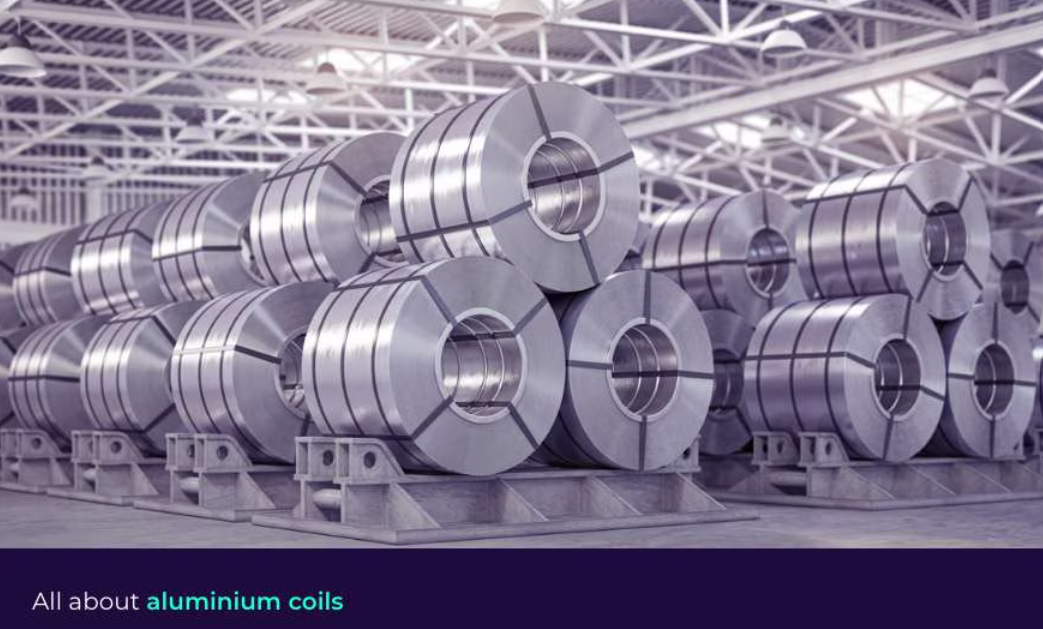
Aluminium coils provide manufacturers with a practical raw material format for continuous processing, sheet fabrication and high-volume production. They are widely used where aluminium needs to be cut, formed or processed repeatedly into finished components.
For companies purchasing aluminium coils in Mumbai, the right supplier should be able to understand specifications rather than simply quote a general aluminium price. Coil width, thickness, grade, quantity and end use all influence whether the material will work efficiently in production.
R Mahaveerchandra & Co. serves industrial buyers looking for aluminium and other non-ferrous metal products in Mumbai.
Why Do Manufacturers Use Aluminium Coils?
Coil form can be particularly useful for production environments where material is continuously fed into processing equipment.
Depending on the specification, aluminium coils can be used for:
- Roofing and cladding products
- HVAC components
- Electrical applications
- Industrial fabrication
- Equipment components
- Automotive-related parts
- Packaging-related manufacturing
- General engineering products
Coils can support efficient production by reducing the need to handle individual sheets during certain manufacturing operations.
Confirm the Required Grade
Aluminium is available in different grades and alloy compositions, and these can influence strength, formability, corrosion resistance and processing behaviour.
Manufacturers should therefore identify the appropriate specification according to their product design.
Substituting one material for another simply because it is immediately available may create problems during forming or affect finished-product performance.
Check Thickness and Width Carefully
Coil dimensions should correspond with production machinery and component requirements.
Incorrect width can generate unnecessary edge scrap, while incorrect thickness may affect forming, weight and final component performance.
For businesses producing components in volume, even a relatively small amount of avoidable scrap per unit can become significant over an entire production run.
Ask About Your Actual Requirement
Before choosing an aluminium coil supplier, prepare details covering:
- Grade or alloy requirement
- Thickness
- Coil width
- Required quantity
- Surface condition
- Intended application
- Processing method
These specifications make supplier comparisons considerably more meaningful.
Selecting an Aluminium Coil Supplier in Mumbai
Mumbai and nearby industrial areas in Maharashtra support numerous manufacturing sectors that consume aluminium products regularly. Local sourcing can help procurement teams coordinate raw-material requirements with changing production schedules.
R Mahaveerchandra & Co. caters to industrial requirements for aluminium coils as well as other copper, brass and aluminium products.
A suitable supplier should be evaluated on the ability to understand specifications, provide appropriate material options and support the quantities required by the business.
For manufacturers, aluminium coil procurement is ultimately a production decision rather than simply a metal purchase. Selecting material that fits the machinery, manufacturing process and final component can help control scrap, streamline processing and improve overall material utilization.