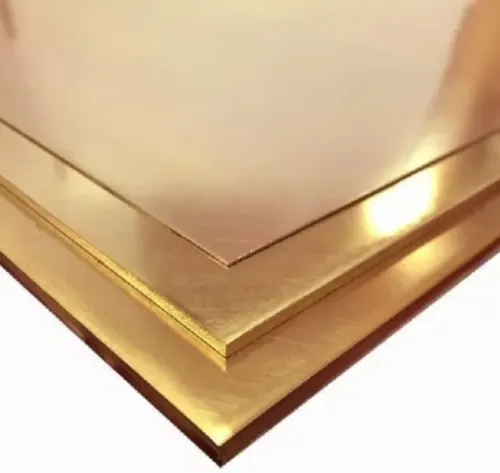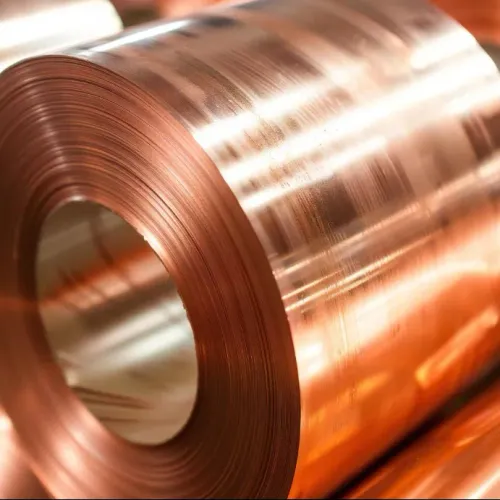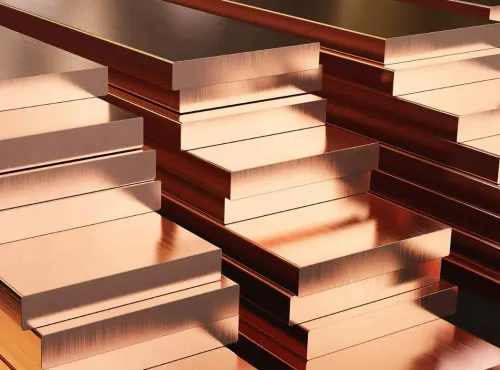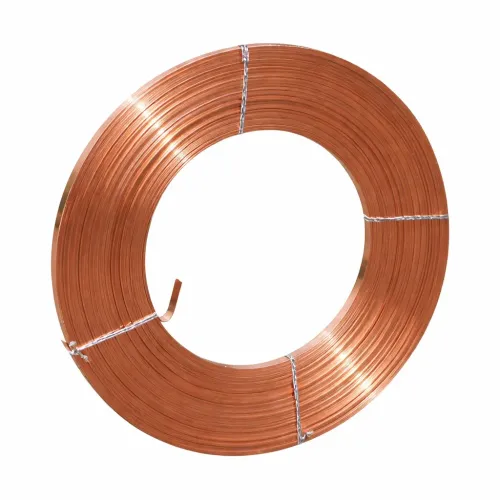


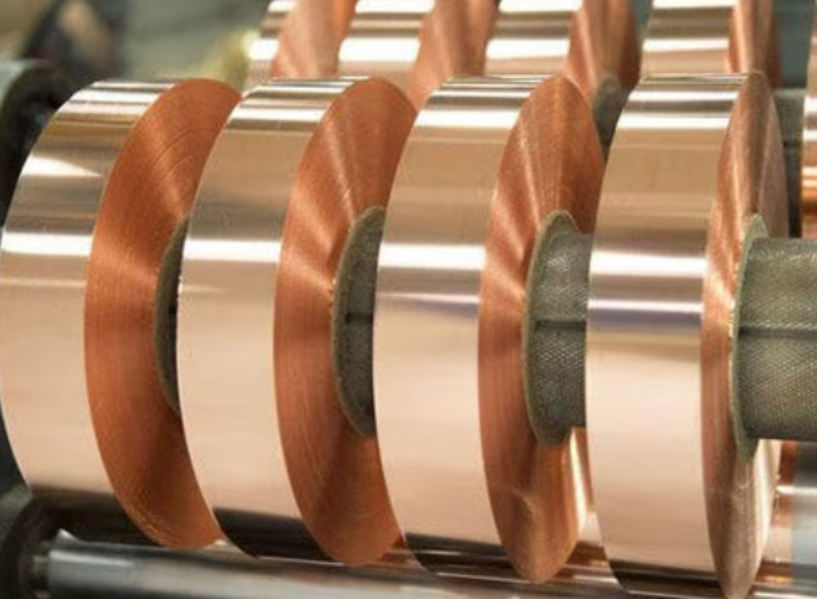
Copper strips are essential components in many electrical and industrial systems where efficient current conduction, durability and reliable fabrication are required. They can be found in electrical panels, distribution systems, earthing installations, switchgear assemblies and numerous engineering applications.
For businesses sourcing copper strips in Mumbai, selecting the correct dimensions and material specifications is more important than purchasing solely on price.
R Mahaveerchandra & Co. supplies non-ferrous metal products for industrial requirements in Mumbai, helping businesses source copper materials according to their application needs.
Where Are Copper Strips Commonly Used?
Copper's high electrical conductivity makes strips particularly useful for electrical applications. Their flat profile also allows them to be incorporated conveniently into different assemblies.
Typical applications include:
- Electrical panels
- Switchgear systems
- Power distribution equipment
- Earthing installations
- Control panels
- Industrial machinery
- Electrical connections
- Fabricated electrical components
Some applications require copper strips primarily for conductivity, while others also depend on dimensional stability and ease of fabrication.
Width and Thickness Are Critical
Two of the most important specifications are strip width and thickness. These dimensions influence both electrical performance and how easily the material can be incorporated into an assembly.
An undersized strip may not be appropriate for the required electrical load, while unnecessarily large dimensions can increase material consumption and project cost.
Electrical designers and procurement teams should therefore establish the required dimensions from technical drawings, load calculations or project specifications before ordering.
Check Fabrication Requirements
Copper strips may need cutting, drilling, bending, punching or other fabrication processes before installation.
Knowing these requirements in advance helps buyers select material that suits subsequent manufacturing operations. Consistent dimensions become particularly important when strips are being processed in batches.
What Should Industrial Buyers Check?
Before purchasing copper strips, confirm:
- Required width and thickness
- Length requirements
- Quantity
- Intended electrical or engineering application
- Relevant material specifications
- Fabrication requirements
- Surface condition requirements
Providing these details can make discussions with a supplier more precise and reduce the possibility of ordering unsuitable material.
Sourcing Copper Strips in Mumbai
Mumbai and Maharashtra have substantial demand for copper products from electrical manufacturers, contractors, OEMs and engineering businesses. Reliable local sourcing can support production schedules and simplify repeat procurement.
R Mahaveerchandra & Co. caters to such industrial material requirements with copper and other non-ferrous metal products.
Copper strips should always be selected around the technical requirements of the application. Getting the dimensions and specifications right at the beginning helps improve electrical reliability, control material costs and make downstream fabrication more efficient.